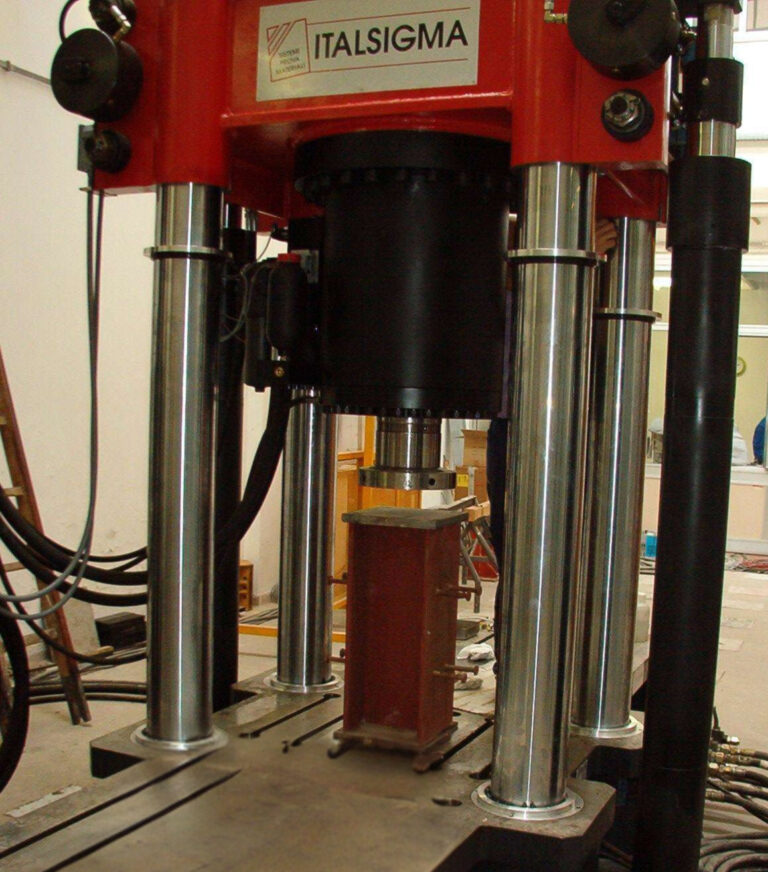
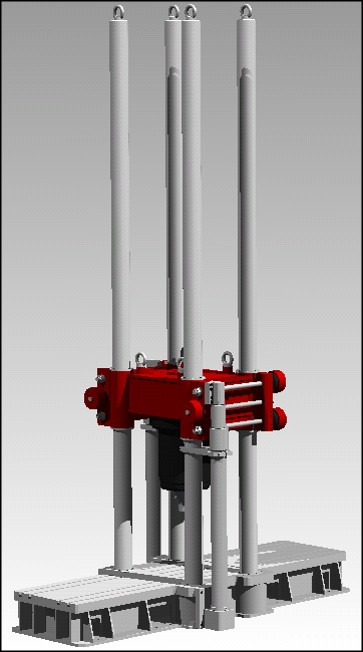
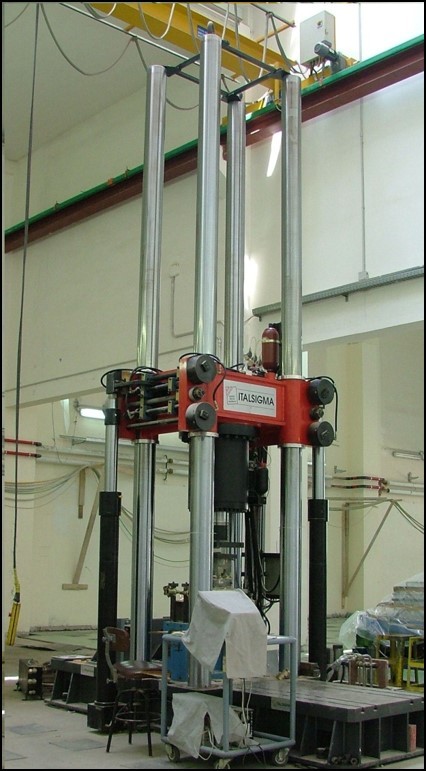
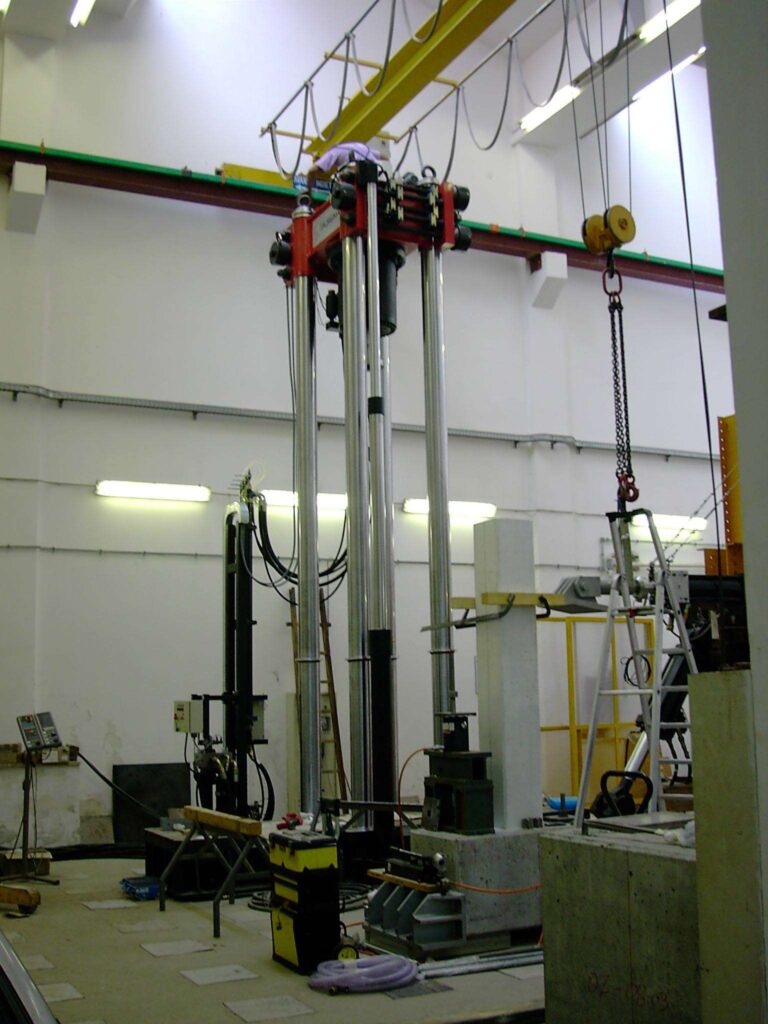
Four-column high-stiffness load frame designed for compression testing.
The upper crosshead is moved by servo-hydraulic lifting cylinders and hydraulically locked to the columns. The base features T-slots for secure specimen clamping. TECHNICAL SPECIFICATIONS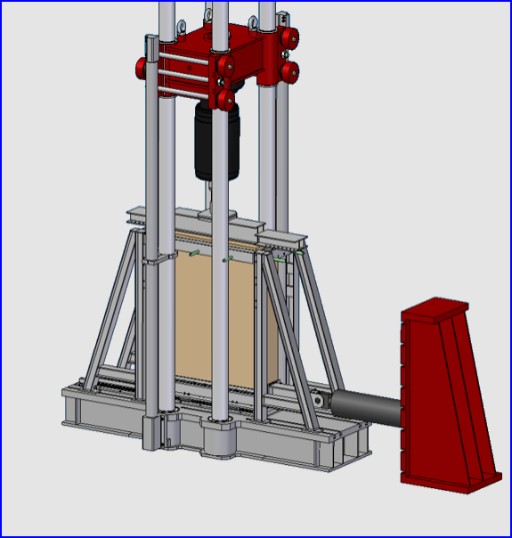
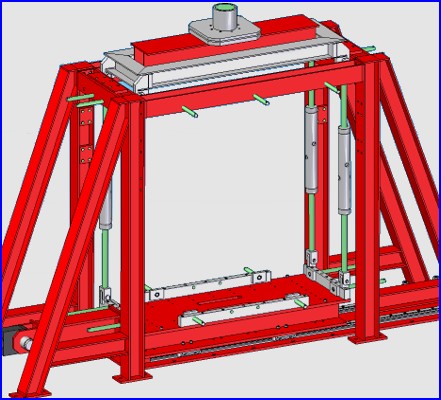
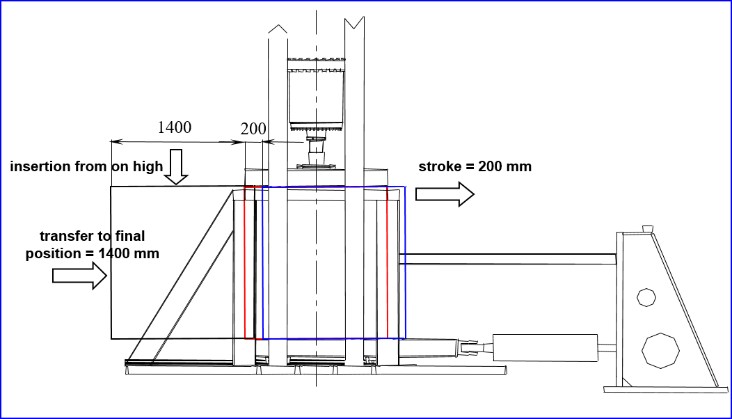
The system consists of a semi-underground foundation connected to a frame for applying vertical loads.
The loading base is equipped with four roller bearings. The lower edge of the wall rests on the roller bearings, allowing the application of shear forces to produce controlled wall distortion. The maximum vertical load is 500 kN. To facilitate installation, the wall is inserted from above and then transferred into its final position using the roller-bearing system.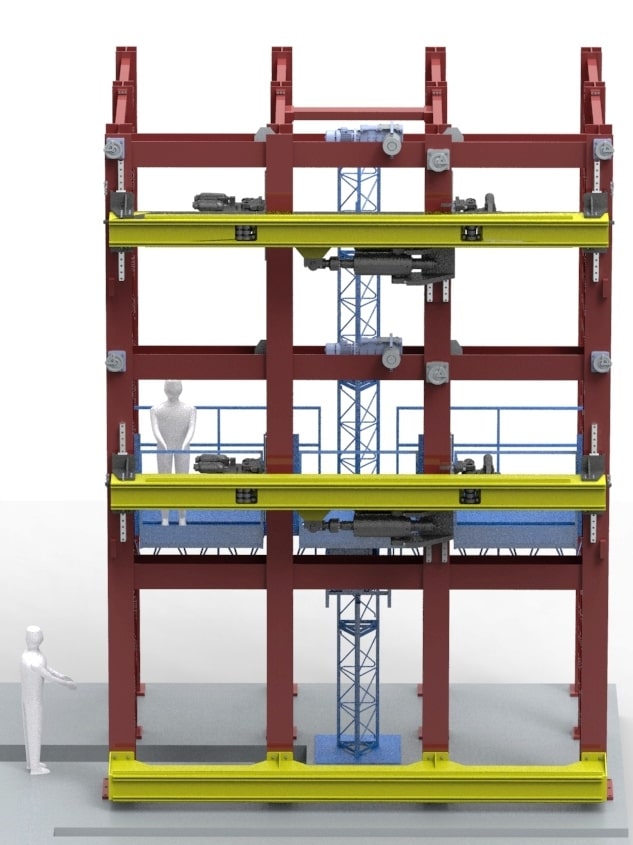
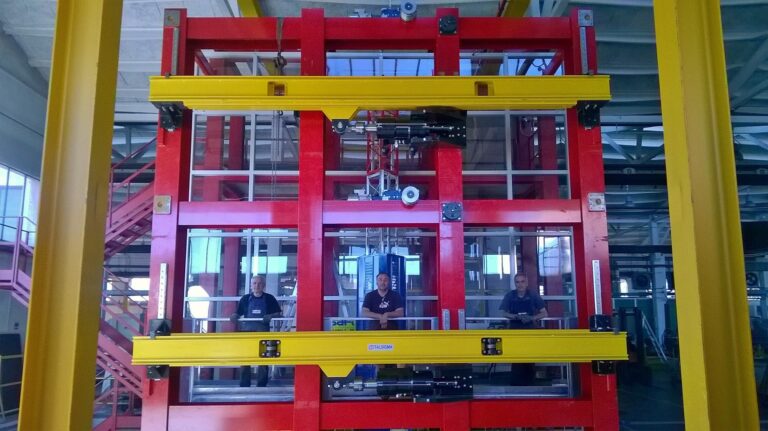
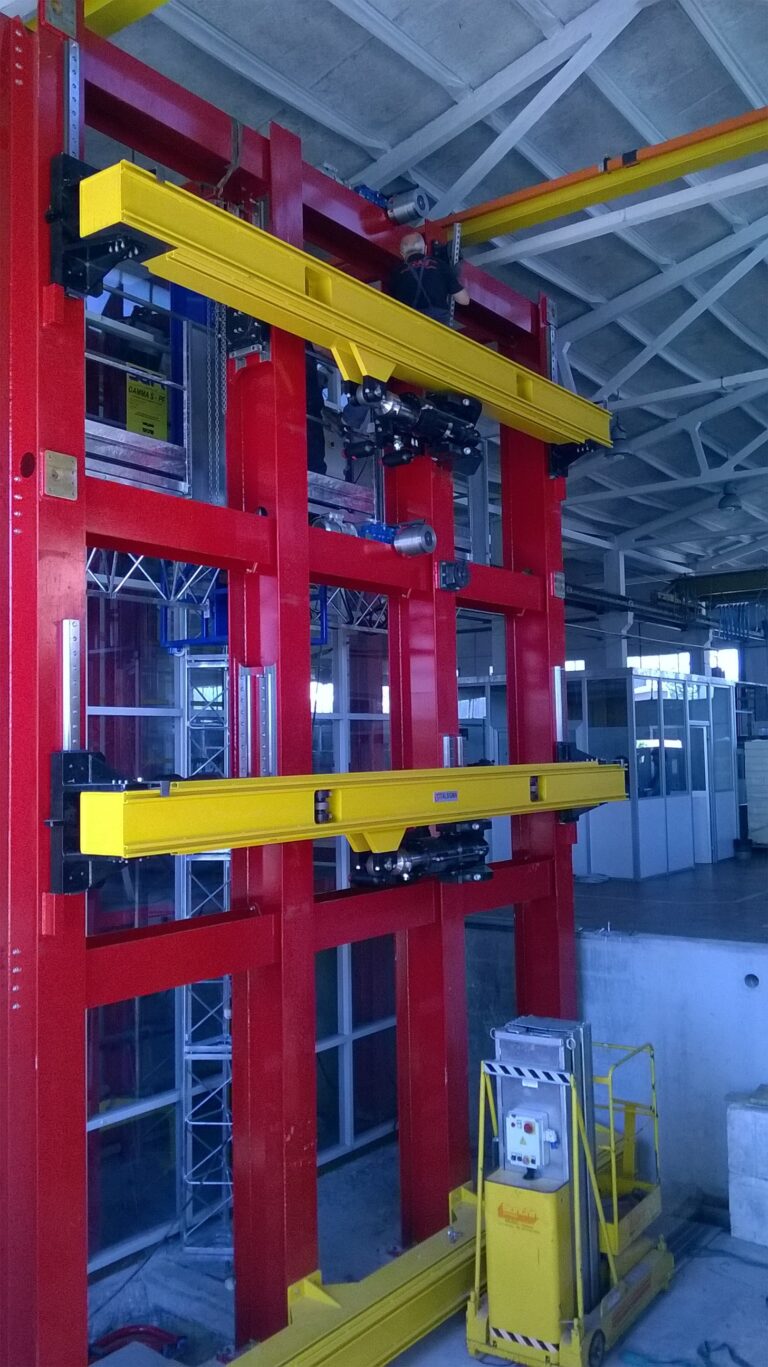
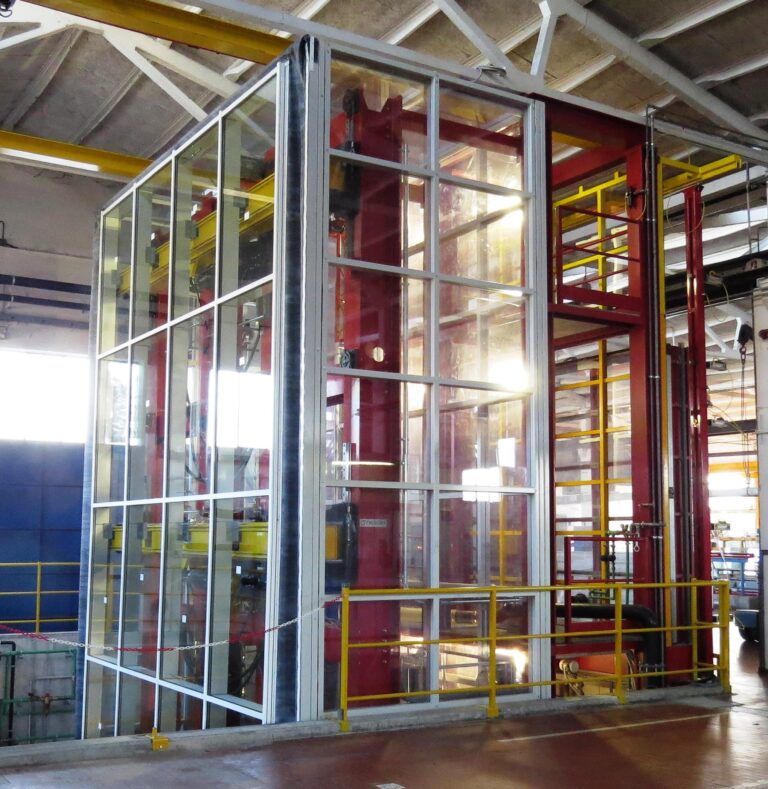
In addition to the traditional air, water and wind tests required for the certification of curtain wall systems, the mechanical testing system allows the seismic response of curtain walls to be evaluated under both static and dynamic conditions.
The system is equipped with seismic actuators capable of applying in-plane and out-of-plane loads to the curtain wall assembly. The system is suitable for: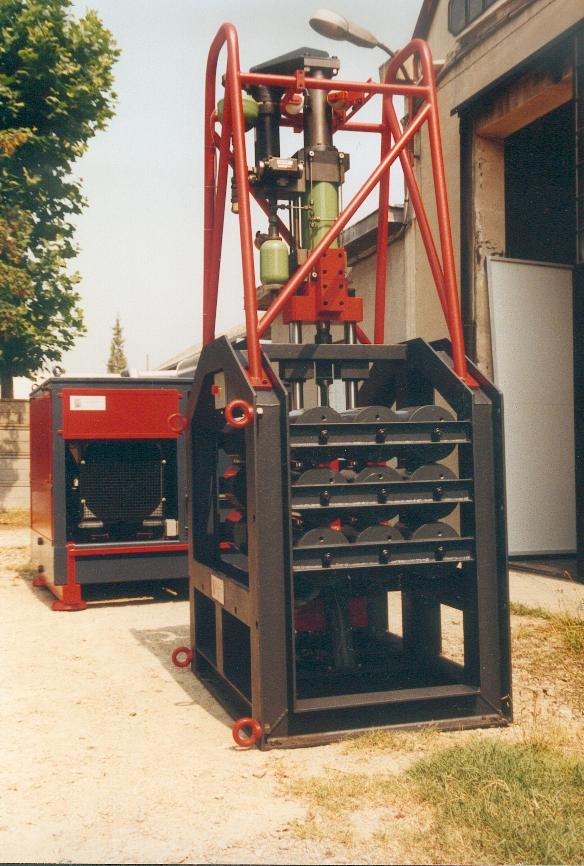
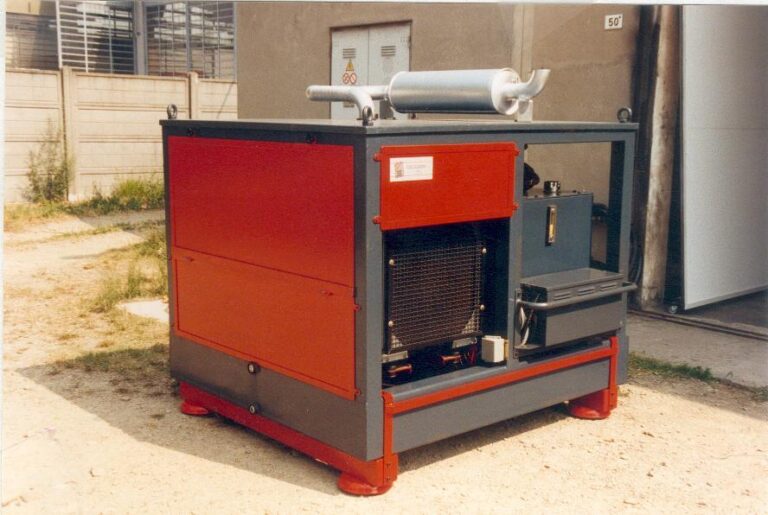
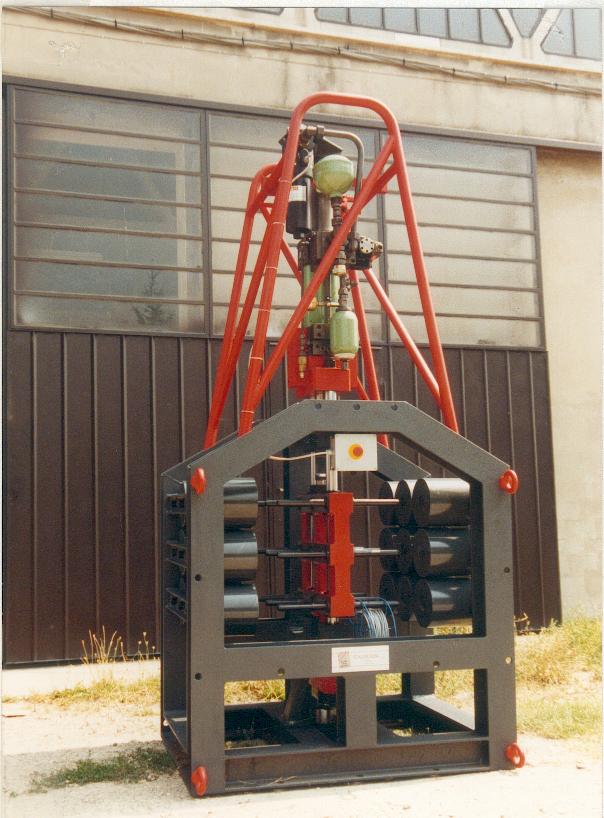
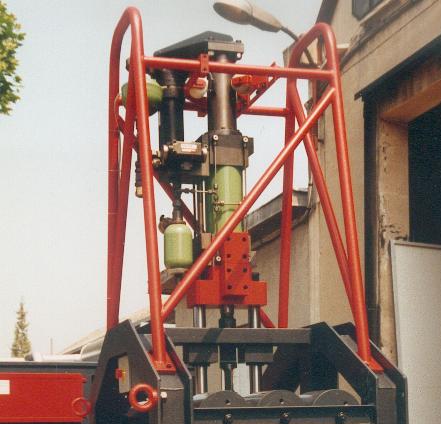
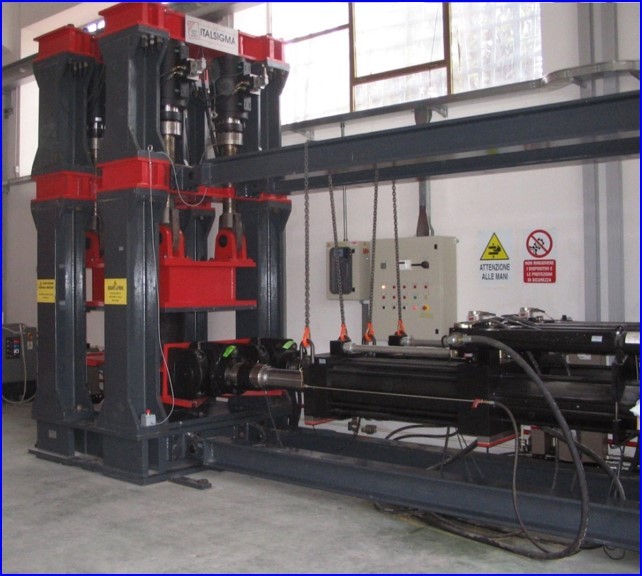
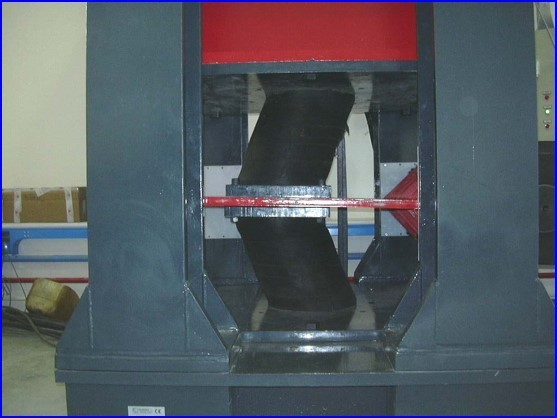
High-stiffness load frame designed to simultaneously apply compression and shear loads in orthogonal directions.
The system can be used to test two-dimensional structural panels, such as walls, as well as structural components such as seismic isolators. Long working strokes can be applied to test components with a low elastic modulus, such as elastomeric bearings. TECHNICAL SPECIFICATIONS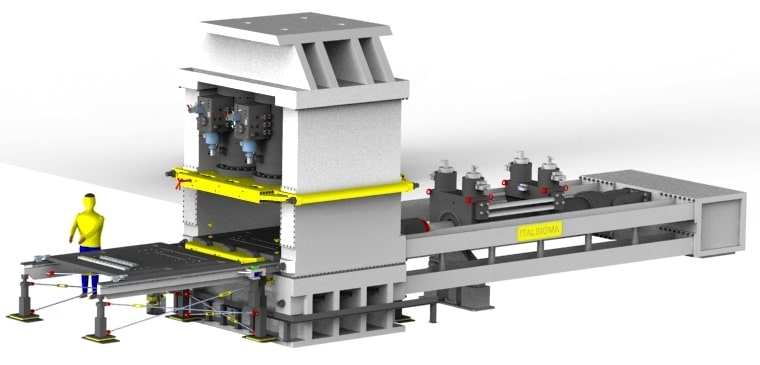
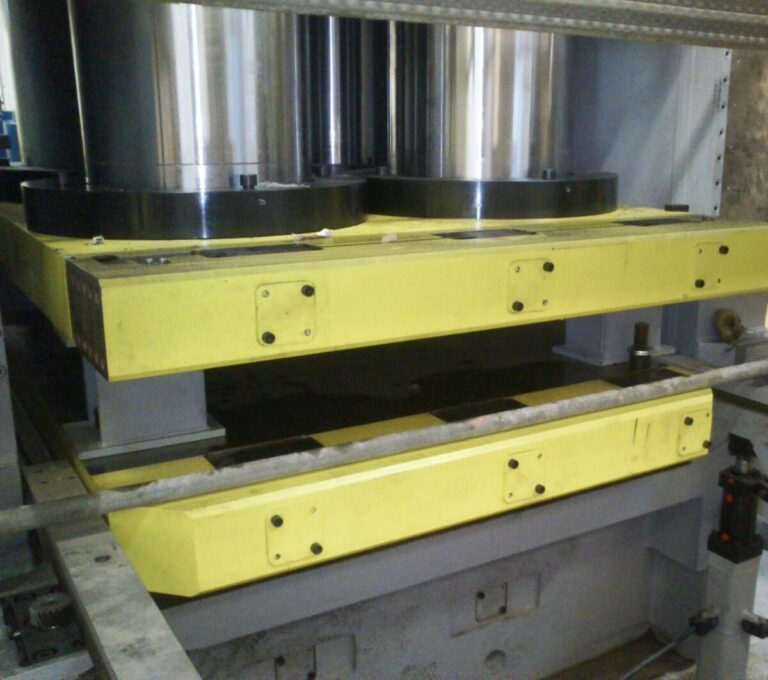
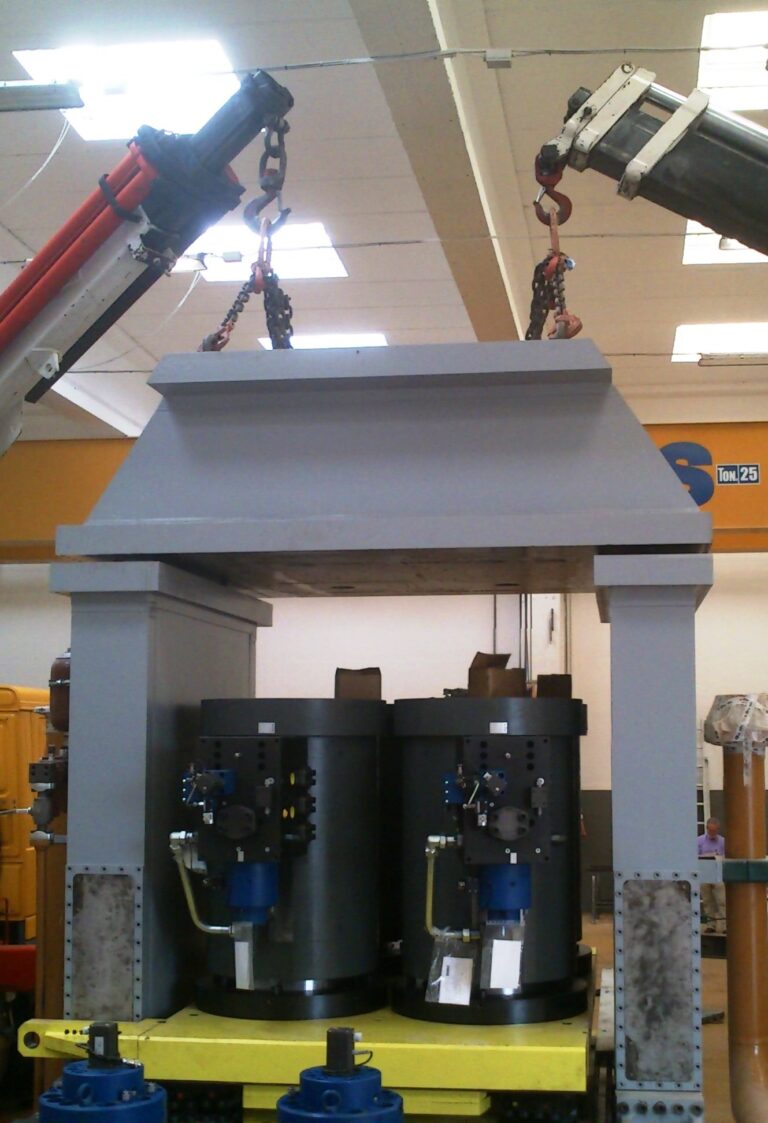
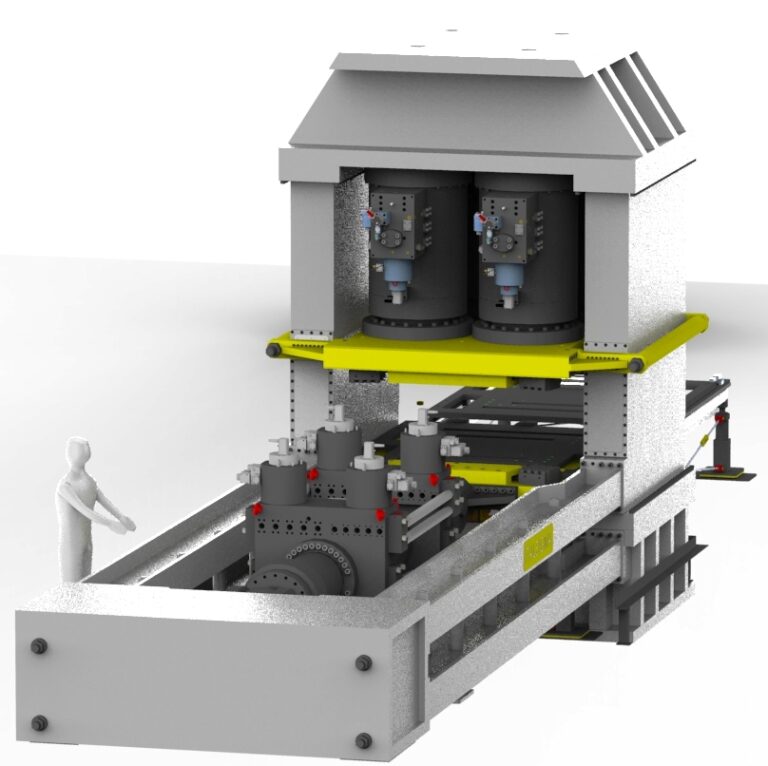
The testing system is designed to evaluate the performance of seismic isolators.
The tests involve applying a compressive load in the vertical direction while imposing cyclic horizontal displacements. The machine's general performance specifications in terms of vertical and horizontal load, displacement and speed have been defined to cover the vast majority of end-of-production tests and most qualification tests. TECHNICAL SPECIFICATIONS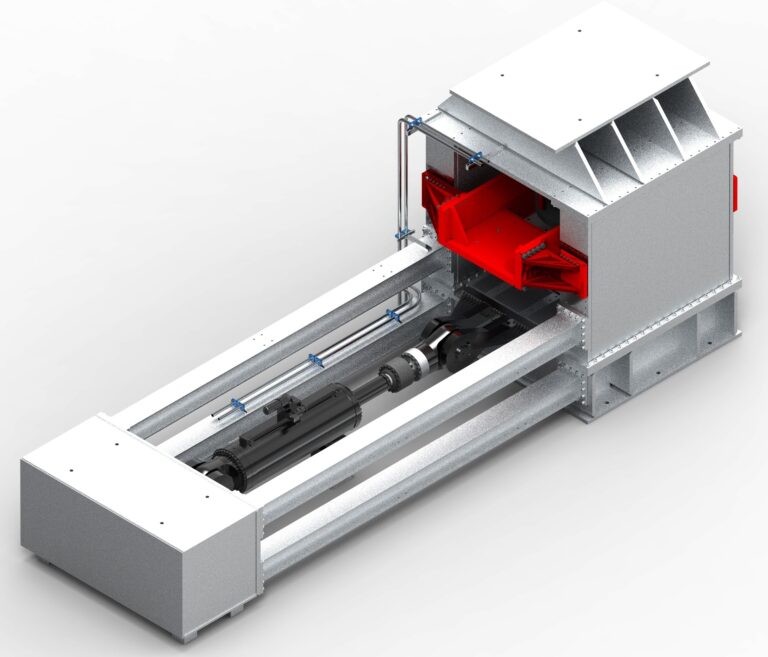
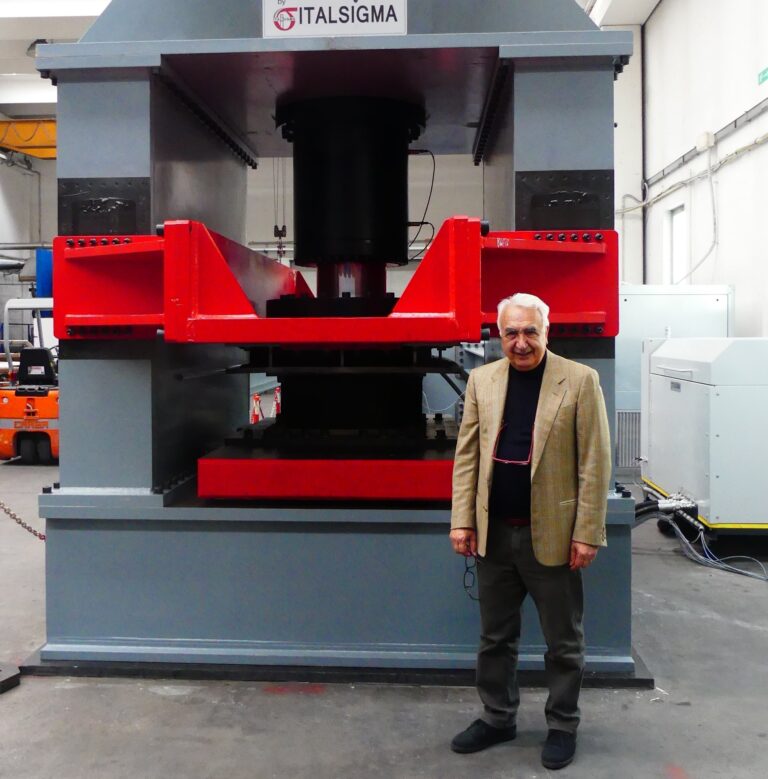
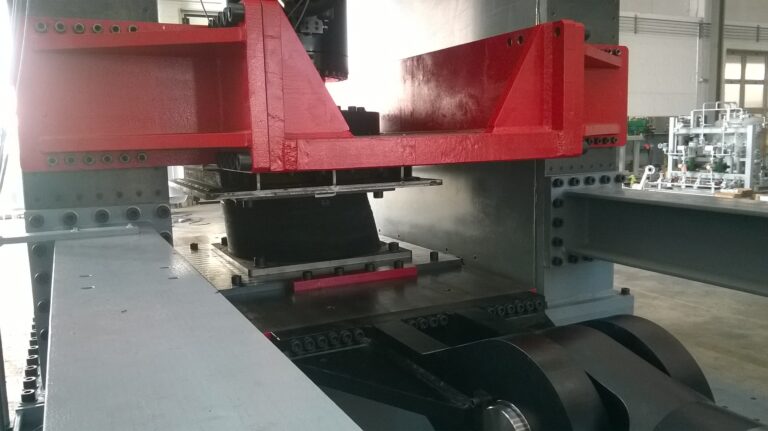
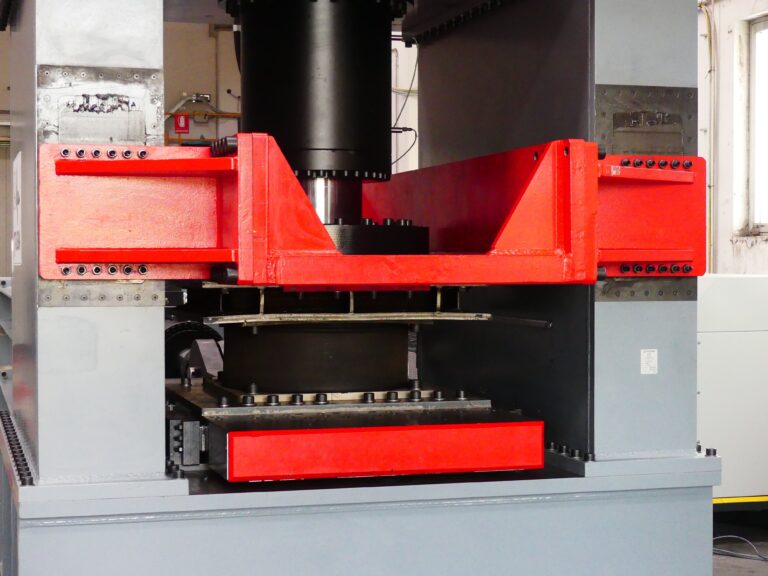
The testing system is designed to evaluate the performance of elastomeric seismic isolators.
The tests involve applying a compressive load in the vertical direction while imposing cyclic horizontal displacements. TECHNICAL SPECIFICATIONS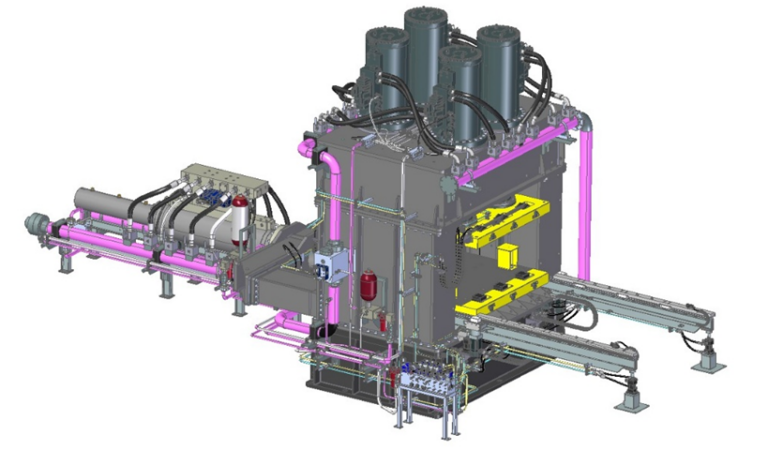
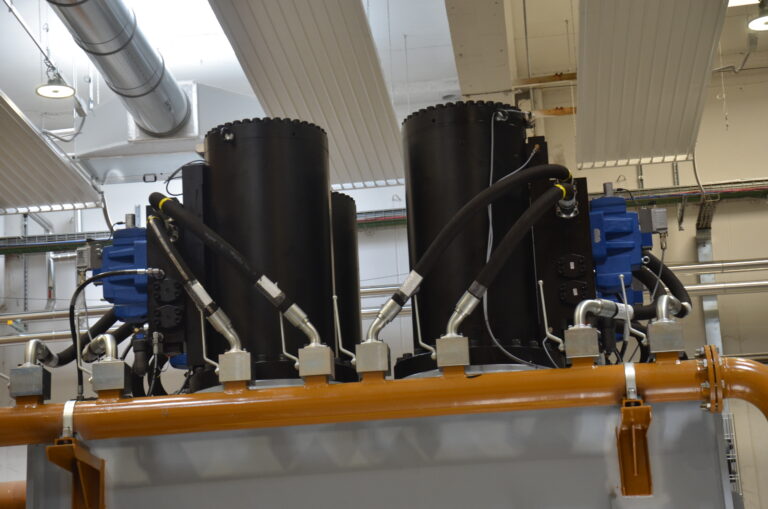
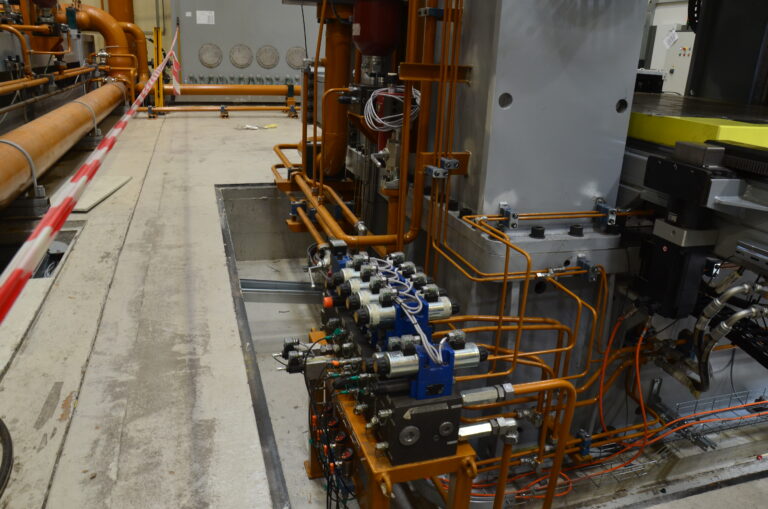
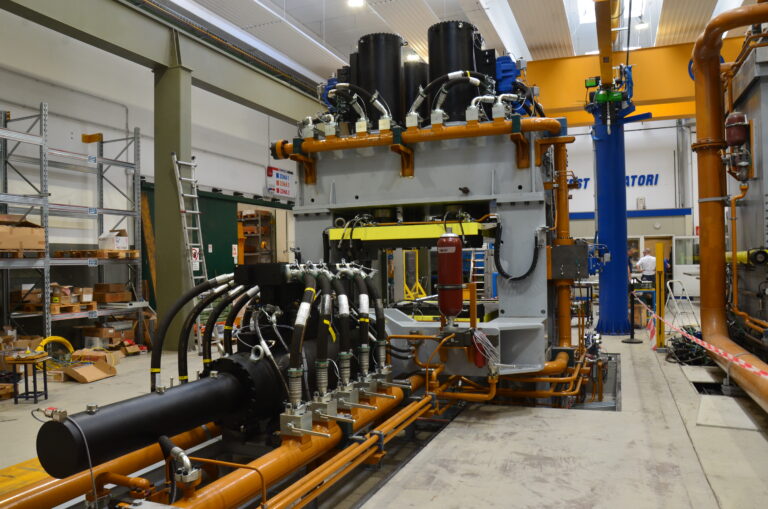
Testing machine designed for testing seismic isolators.
TECHNICAL SPECIFICATIONS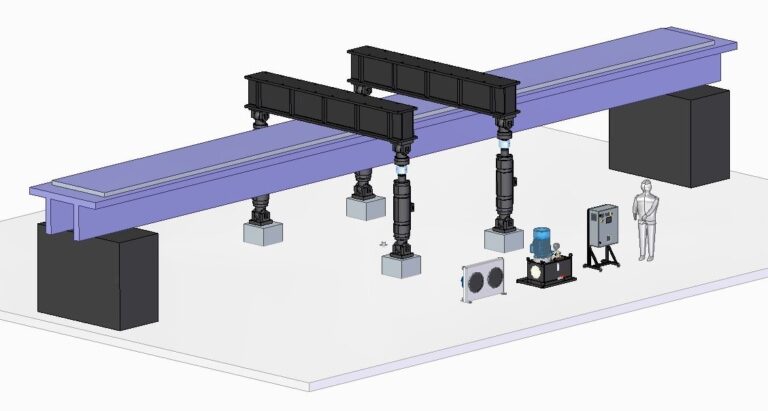
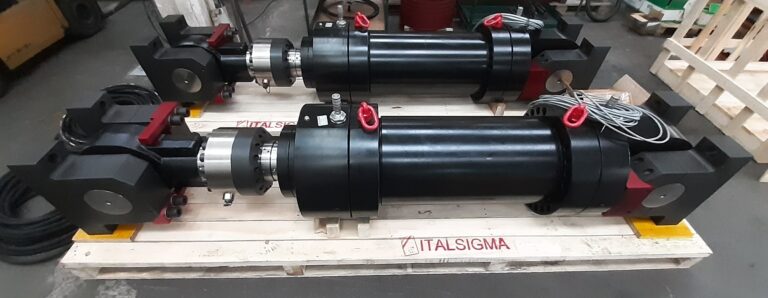
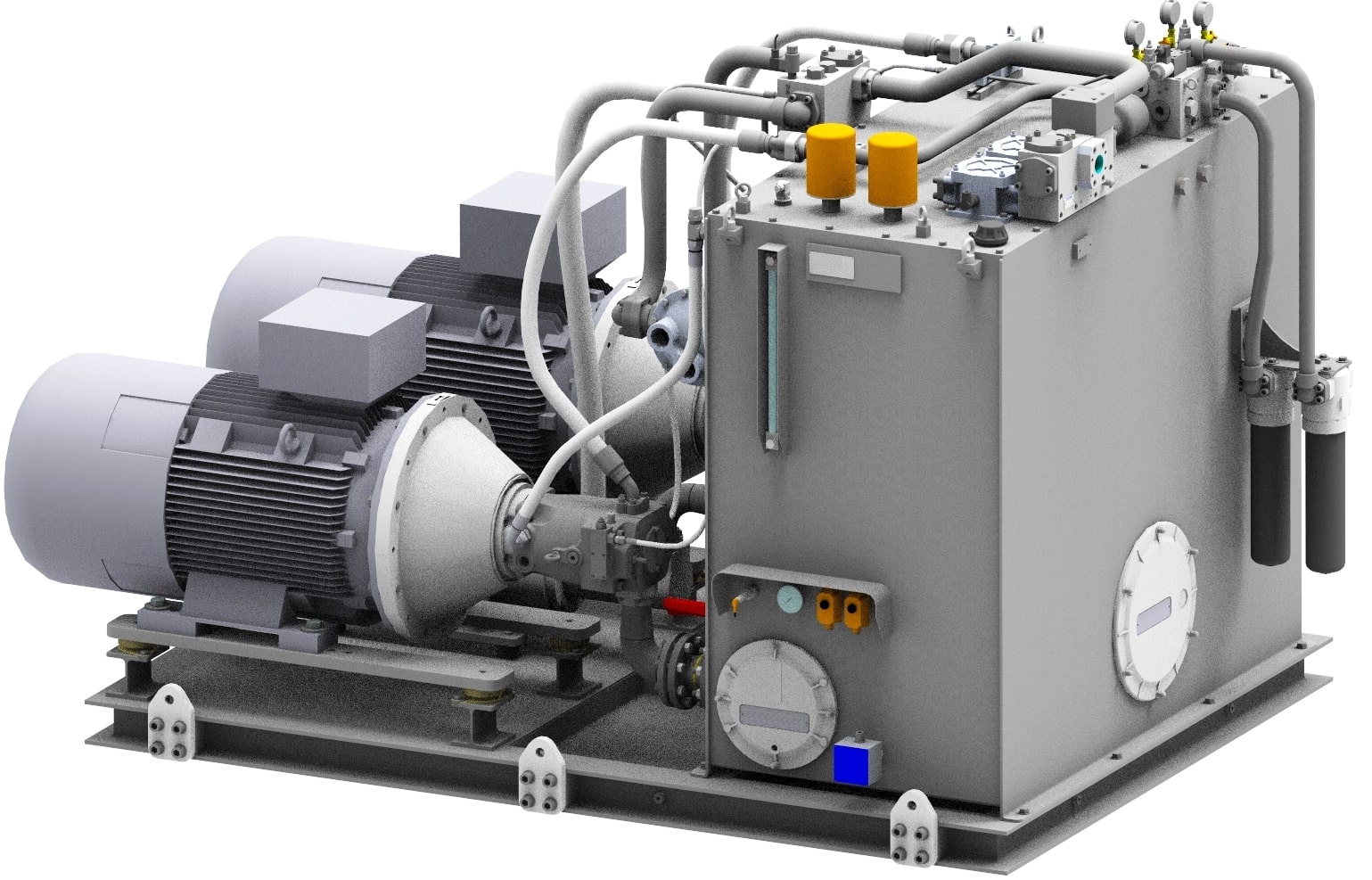
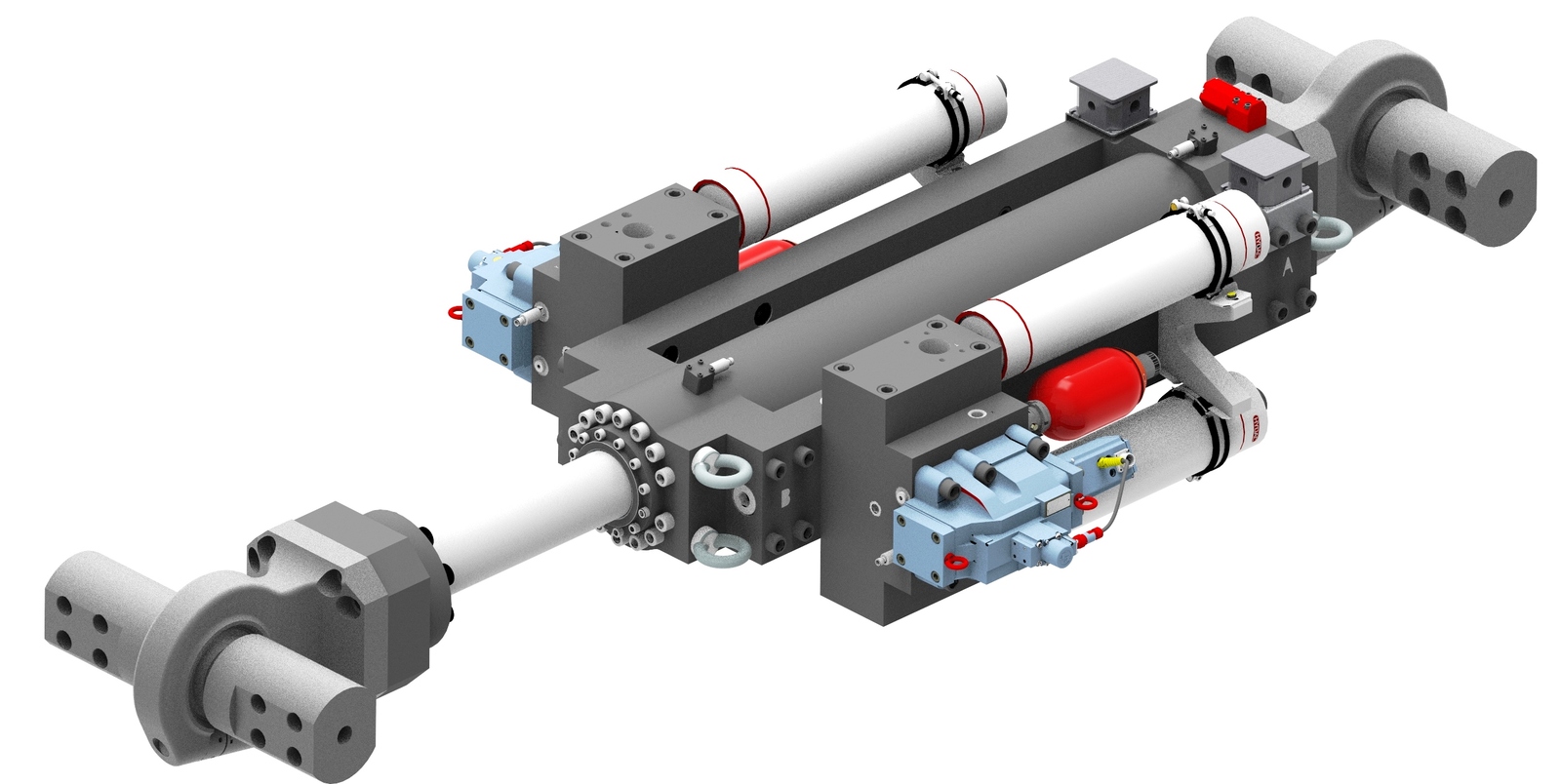
Testing system consisting of four servo-hydraulic actuators with a total capacity of 6,000 kN (1,500 kN per actuator), a hydraulic power unit and a control system.
TECHNICAL SPECIFICATIONS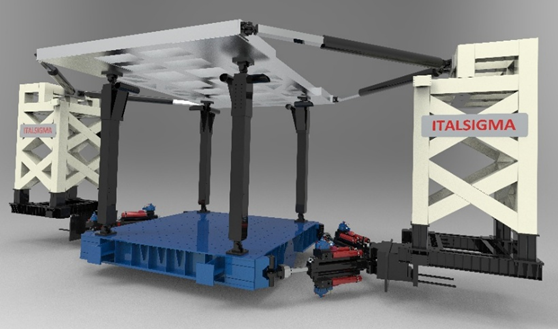
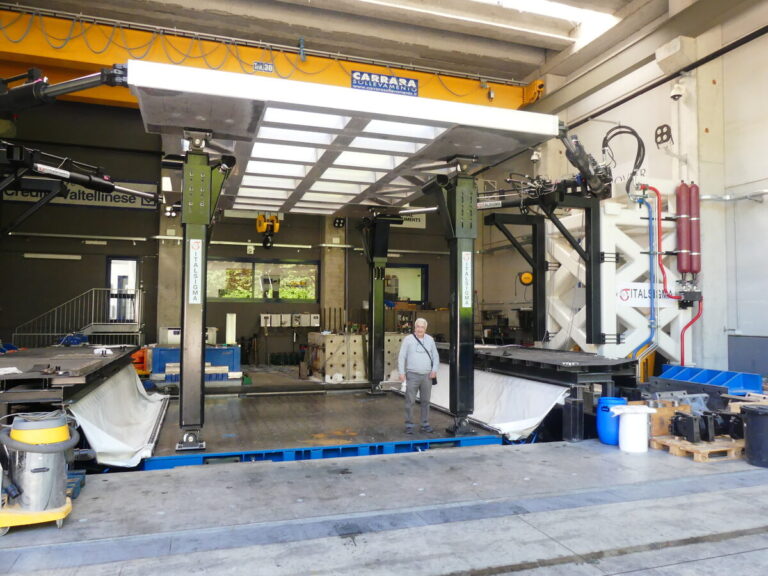
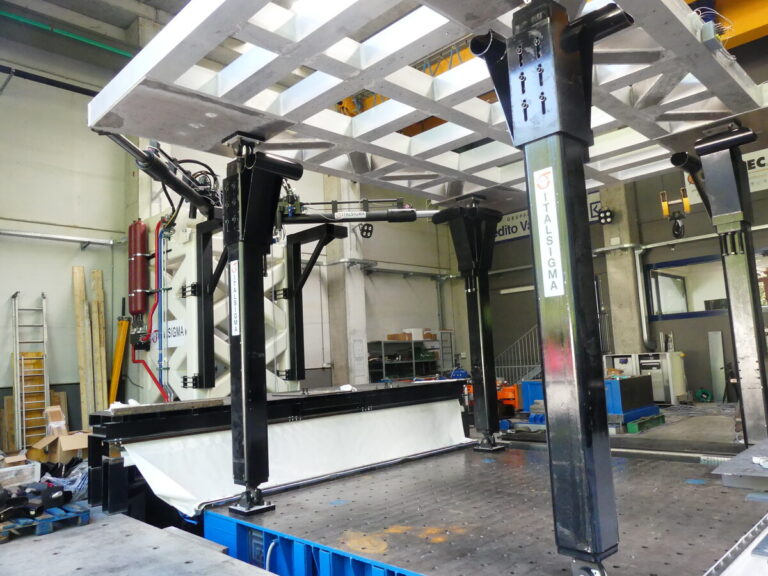
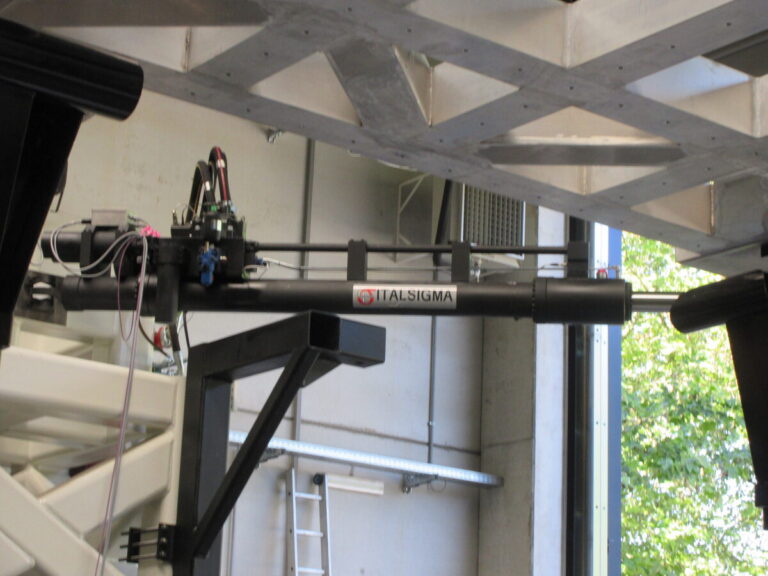
Large-scale experimental testing system for dynamic testing of structural and non-structural components.
The system consists of four actuators and is capable of simulating the relative response of any pair of adjacent floors in buildings of any height. TECHNICAL SPECIFICATIONS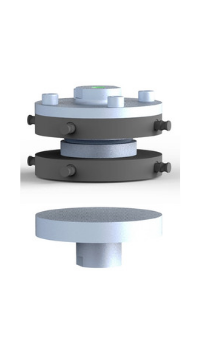
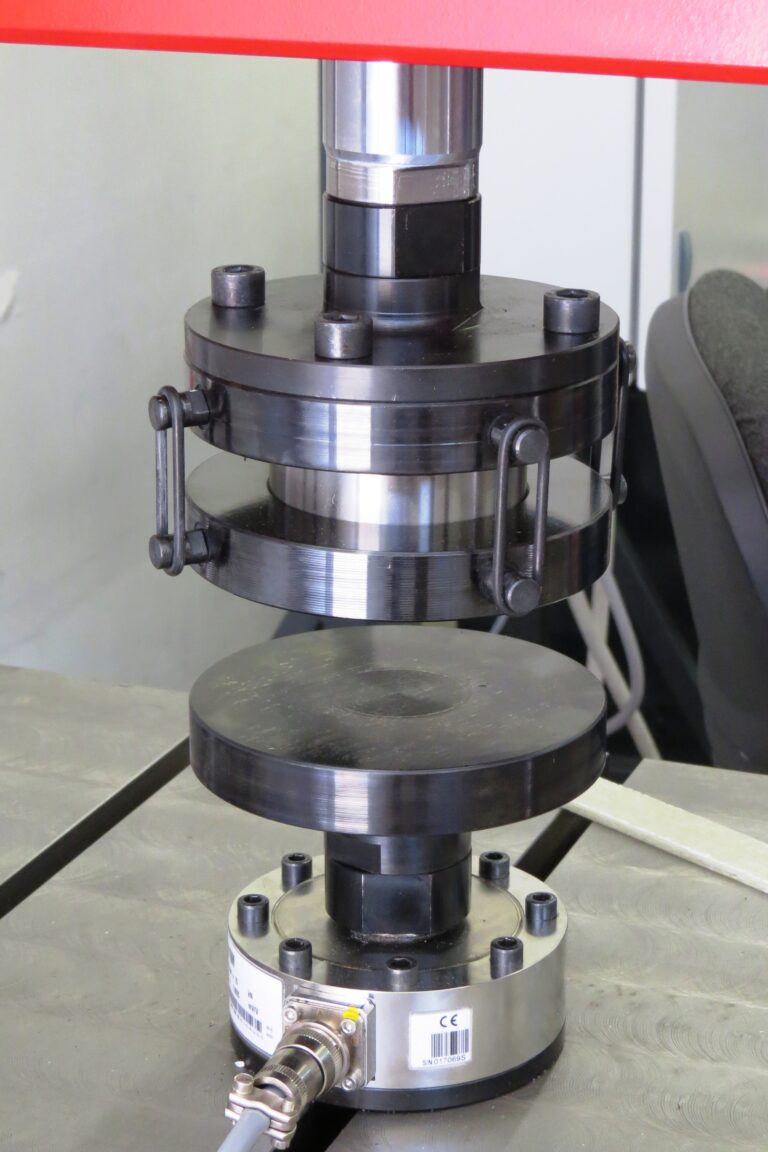
System consisting of circular steel compression platens made of 38NiCrMo3 steel, complete with a spherical joint to compensate for minor misalignments.
The upper platen, equipped with a spherical joint, is directly connected to the actuator piston rod. Four elastic retaining rings keep the spherical joint assembly in position. The lower platen is connected to the load cell, which is in turn secured to the frame base. TECHNICAL SPECIFICATIONS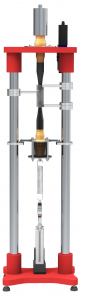
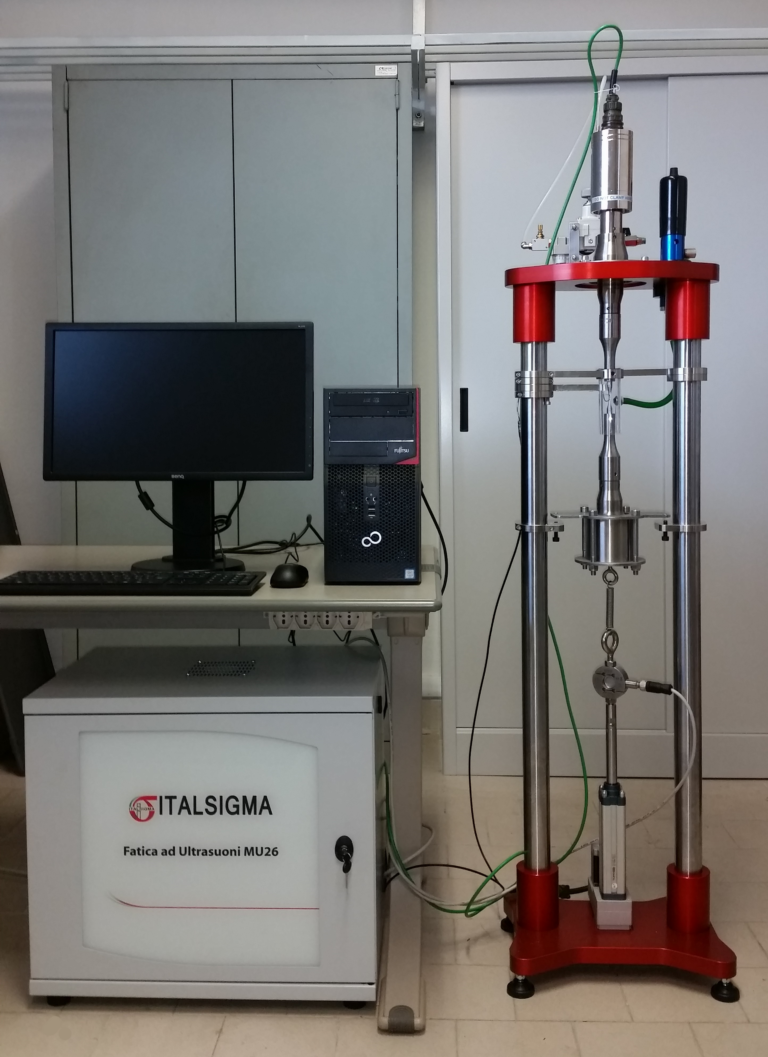
Ultrasonic Testing Machine
Electromechanical testing machine equipped with an ultrasonic system for generating cyclic loads and a load frame with an electromechanical actuator for applying static loads. Test control, monitoring and data management are performed via personal computer.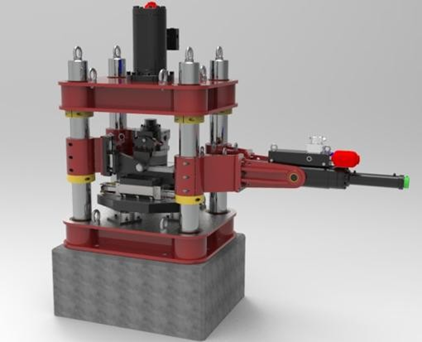
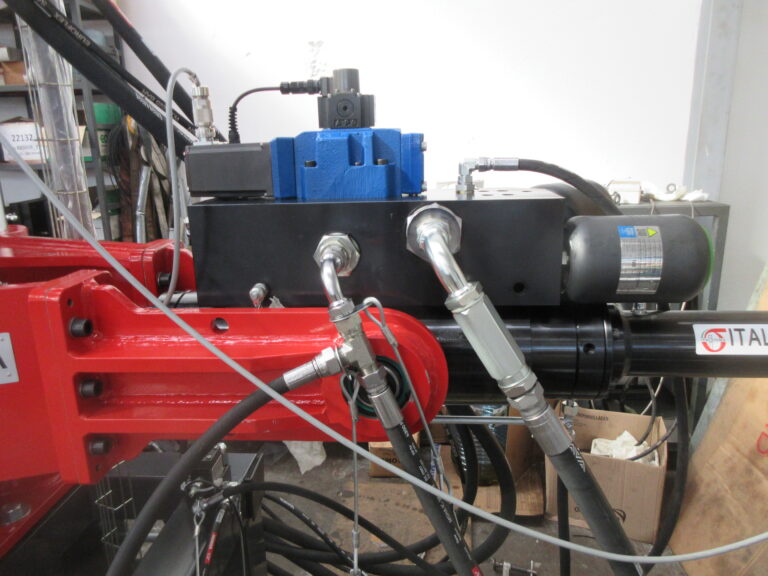
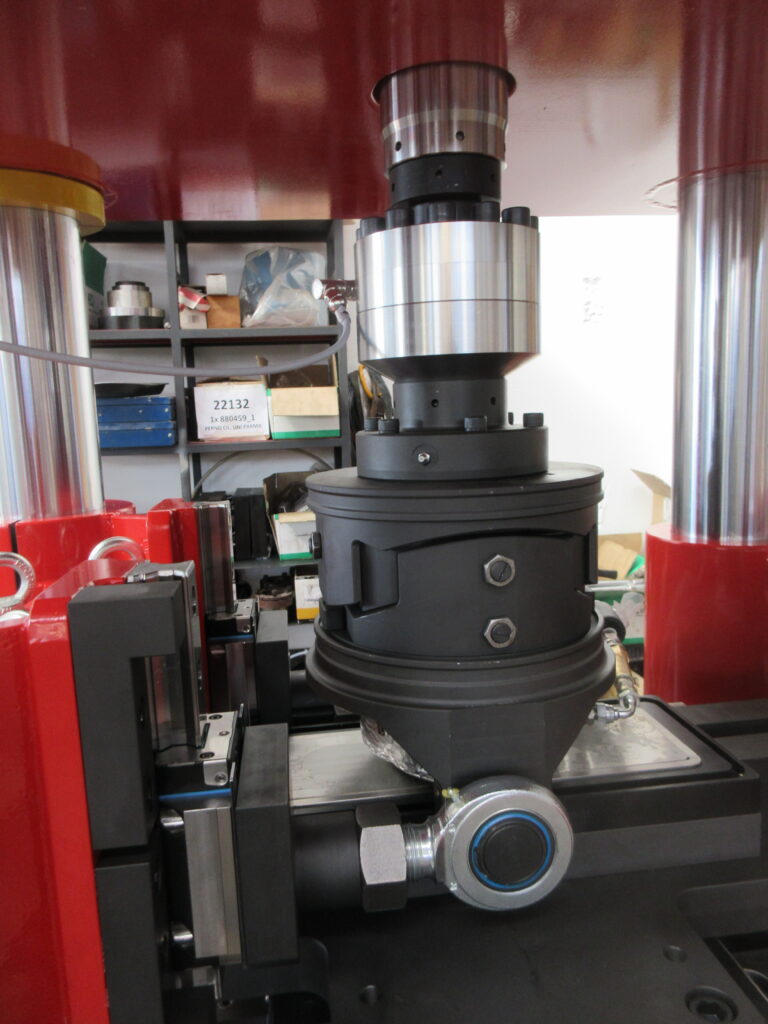
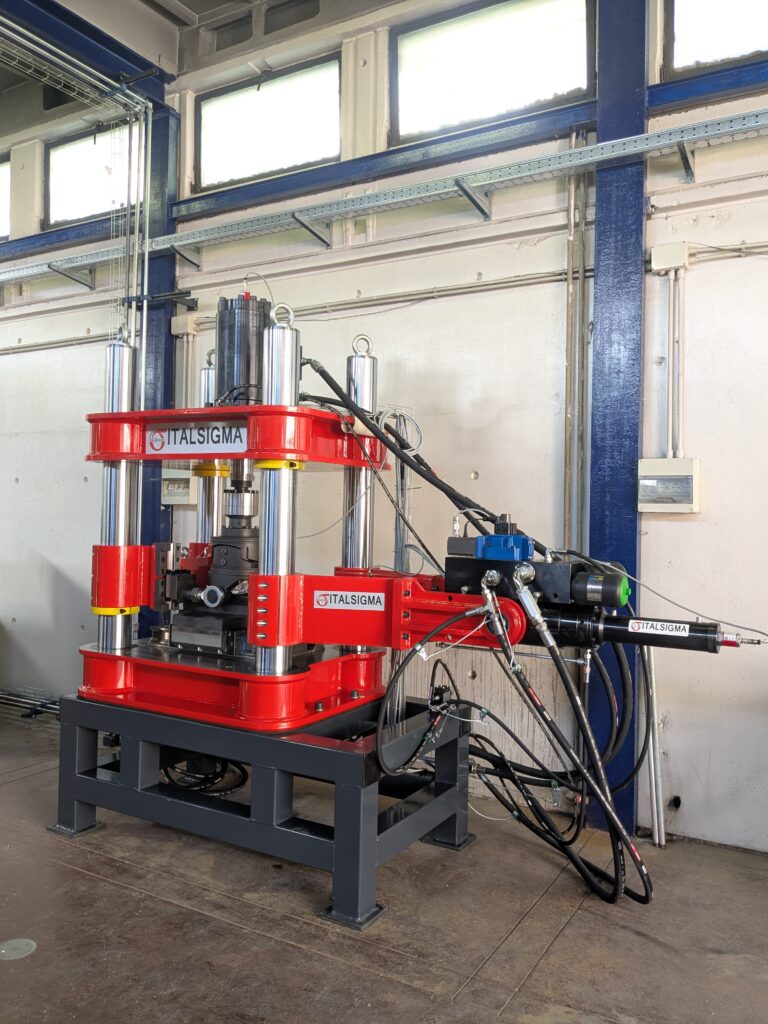
Testing system for the characterization of sliding materials.
The Italsigma BX2112_1P is designed to determine the coefficient of friction between sliding elements used in structural bearings, in accordance with EN 1337-2:2002, Annex D. TECHNICAL SPECIFICATIONS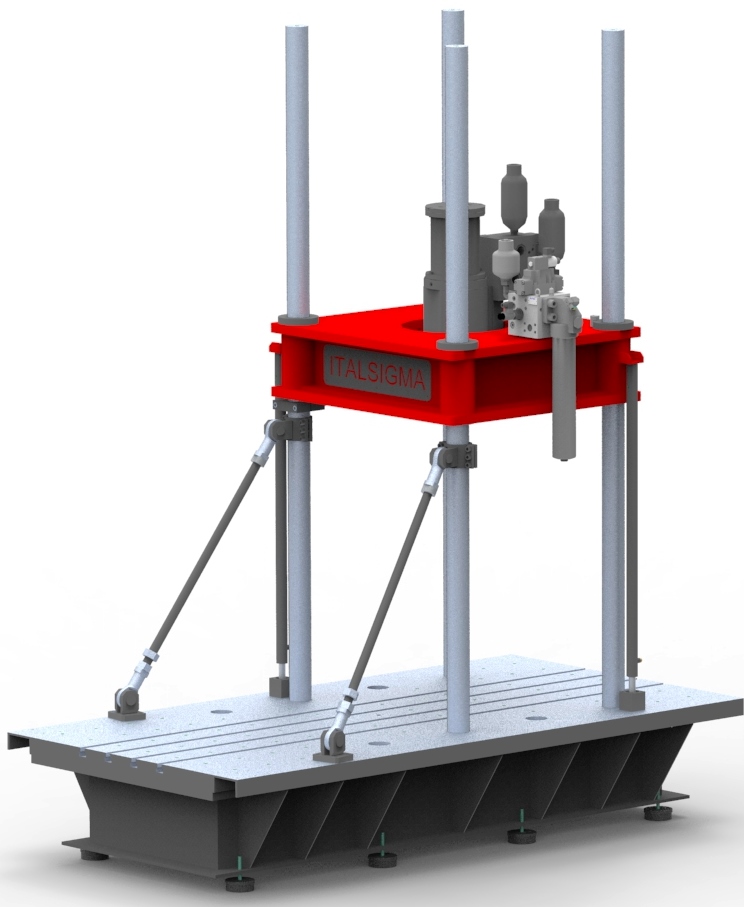
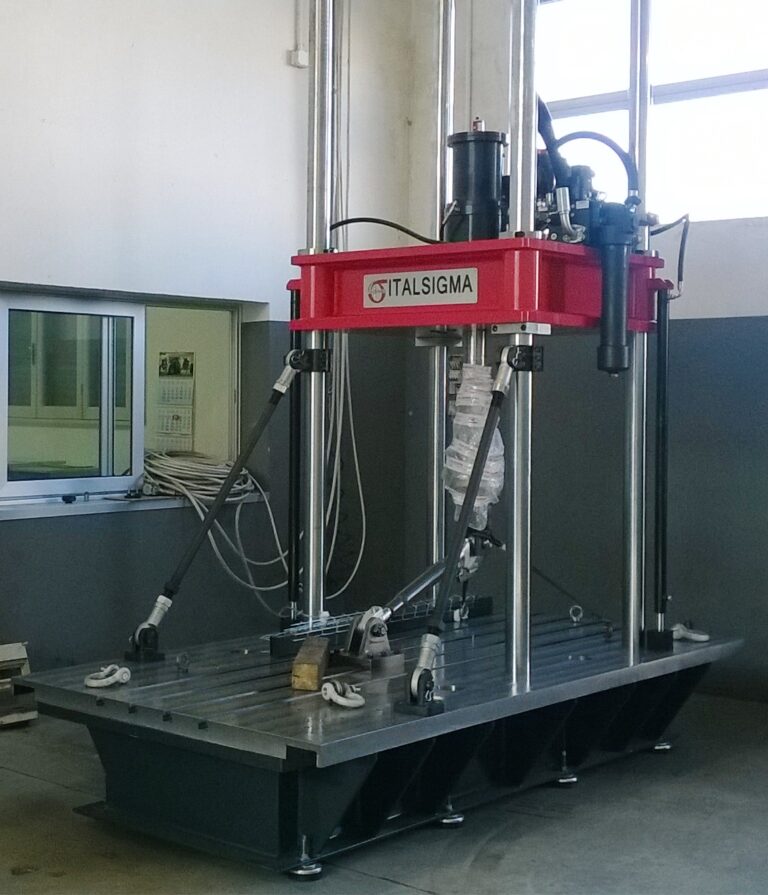
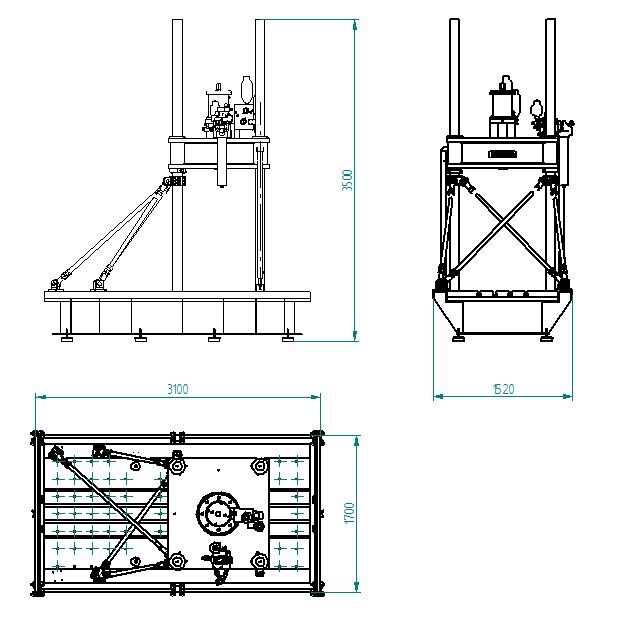
Four-column testing machine equipped with lateral column reinforcements, designed to withstand test loads up to 500 kN without significant deformation.
The base features a slotted test surface for securing testing fixtures and equipment.
Holding Company

Sister Company