Dynamic fatigue testing

Home » By Test Type » Dynamic fatigue tests

Dynamic fatigue testing evaluates the strength of materials and components subjected to cyclic or repeated loads over time, simulating real operating conditions to determine the time to failure. Using specialized machines (servo-hydraulic, electromechanical), alternating stresses are applied to plot the Wöhler curve (S-N) and determine the fatigue limit.

Key aspects of fatigue testing:
  • Purpose:

    To determine fatigue life, high-cycle fatigue (HCF) or low-cycle fatigue (LCF) resistance, and the effect of structural defects.

  • Types of loading:

    Rotary bending, tension-compression, torsion, plane bending.

  • Parameters:

    The test continues until failure or until a predetermined number of cycles is reached, measuring the relationship between stress amplitude () and number of cycles (N).

  • Methods:

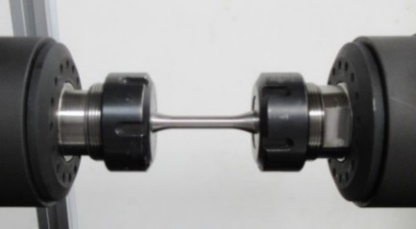
    Rotary bending : A specimen rotates under a constant load, alternating between tension and compression | Constant-load/variable-amplitude tests: Simulate real-world use.

Testing is essential in the automotive, aerospace, and structural engineering industries to ensure safety.

PROJECTS:

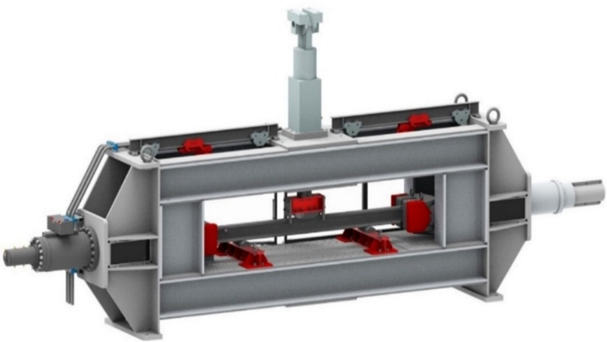
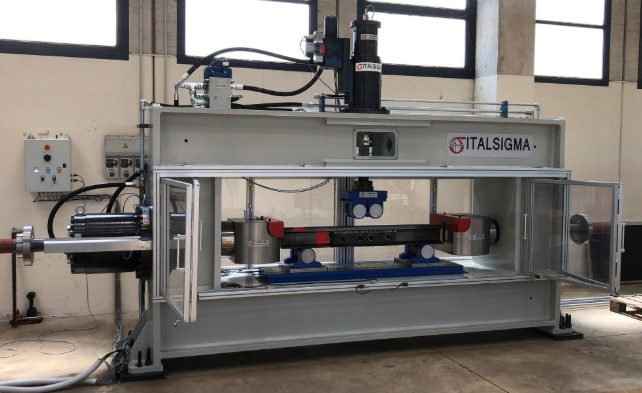
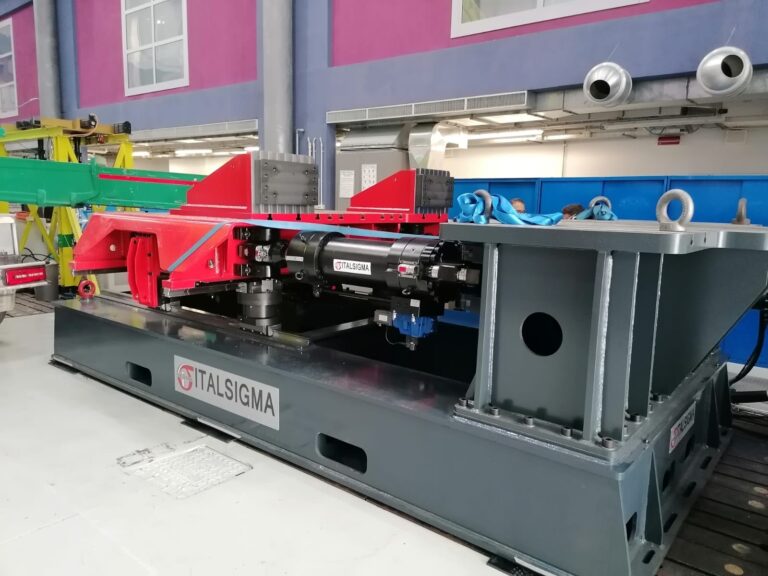
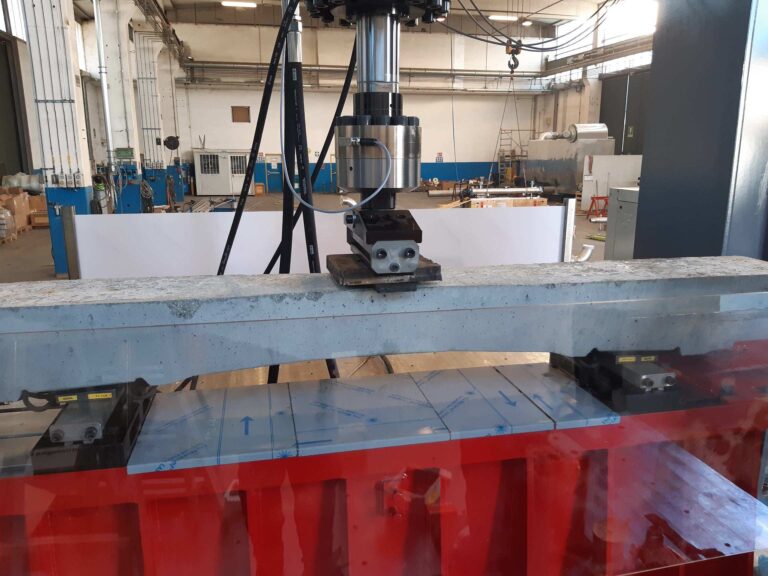
  • X-2002-1000 – Biaxial Testing Machine

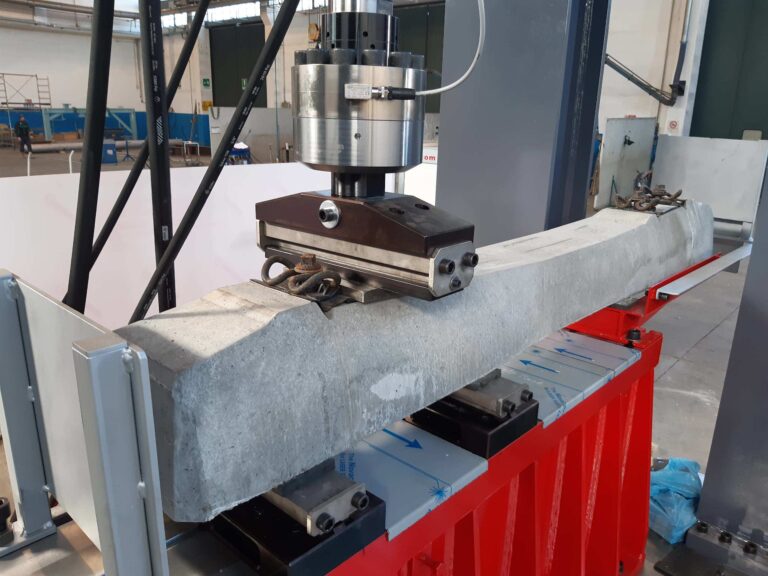
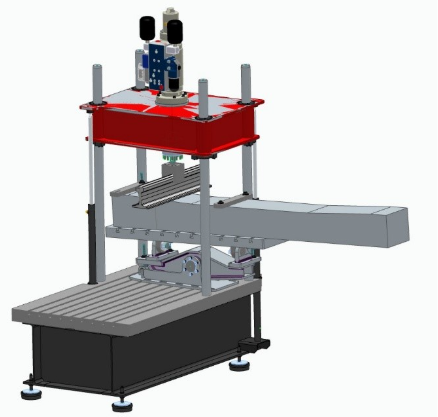
    X-2002-1000 Biaxial Testing Machine for Dynamic Testing of Railway Sleepers, subjected to tensile loading along the horizontal axis and simultaneous three- or four-point bending along the vertical axis. Load Frame Closed-loop load frame consisting of a fabricated steel structure comprising a lower working platform, four vertical reinforcing structures and an upper crosshead on which the vertical actuator is mounted. Frame dimensions: 3,600 × 6,100 × 4,350 h mm
    • Maximum static force: 1,200 kN at 210 bar
    • Maximum dynamic force: 1,000 kN at 210 bar
    • Vertical force: 500 kN
    • Horizontal actuator stroke: 250 mm
    • Maximum vertical specimen clearance: 800 mm
    • Maximum horizontal specimen …
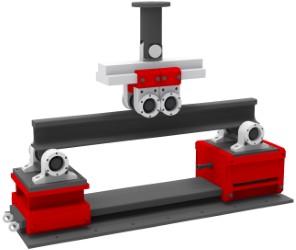
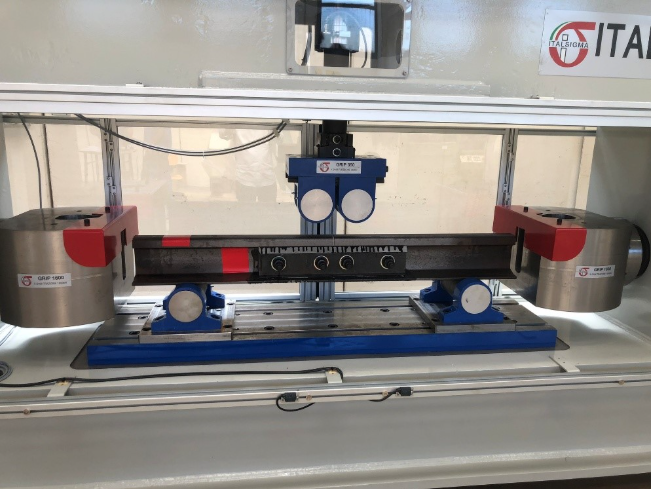
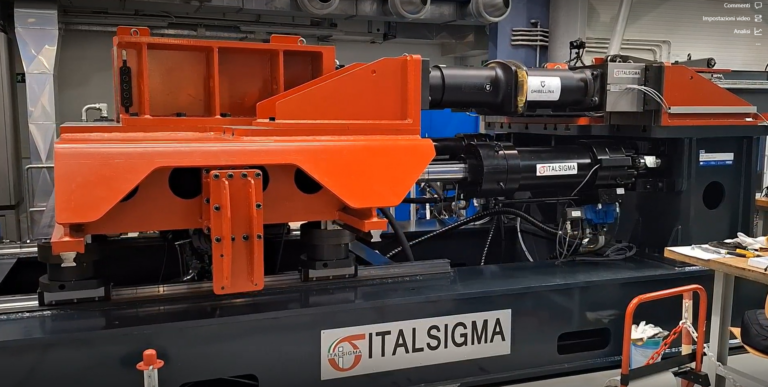
  • BX0316 – Biaxial Testing Machine

    BX0316 Biaxial Testing Machine for Static Tensile and Dynamic Four-Point Bending Tests on Bonded Rail Joints
    • Tensile testing with horizontal loads of up to 1,600 kN
    • Bending testing with vertical loads of up to ±350 kN
    • Standard horizontal actuator stroke: 200 mm
    • Standard vertical actuator stroke: 100 mm
    • Fatigue testing fixture with adjustable supports within predefined ranges
    • Maximum rail length under test: 1,600 mm
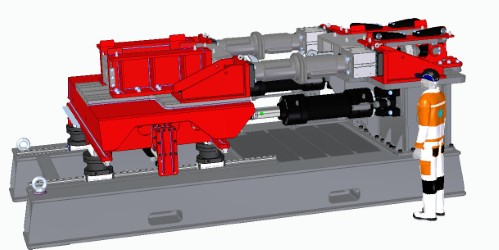
  • Indoor Test Bench for Railway Vehicle Traction and Coupling

    Indoor Test Bench for Railway Vehicle Traction and Coupling

    Indoor testing bench for measuring traction and coupling forces between railway vehicles. TECHNICAL SPECIFICATIONS
    • Maximum longitudinal tensile force: 1,150 kN
    • Maximum longitudinal compression force: 1,150 kN
    • Lateral force applicable to the frame: ±100 kN
    • Moment applicable to the frame: ±500 kNm
    Maximum-performance stroke:
    • X = 500 mm
    • Y = 900 mm
    • θ = ±15°
    Translation speed along the X-axis: 0.25 m/s Translation speed along the Y-axis: 0.60 m/s Rotation speed about the Z-axis: 10°/s
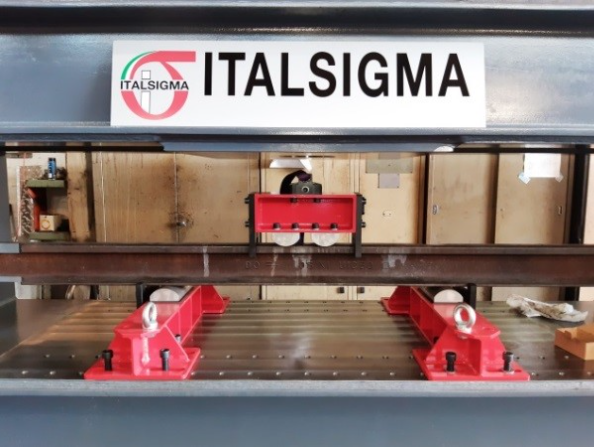
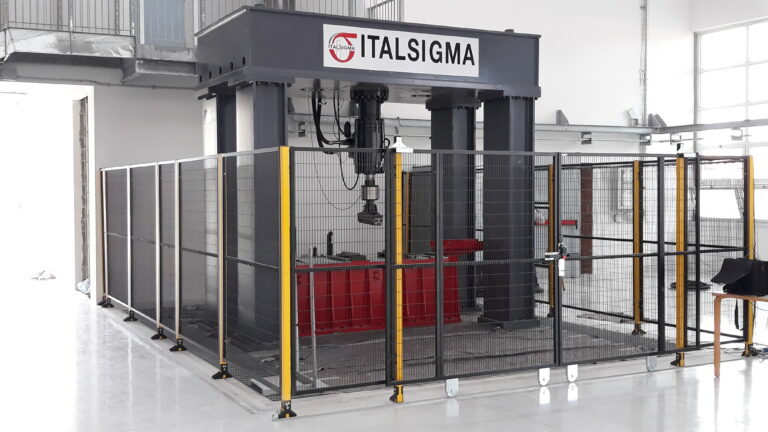
  • FPF1000 – X-MRG-1907/1000

    FATIGUE TESTING MACHINE FOR RAILWAY SLEEPERS

    Four-column load frame (6,100 × 3,800 × 3,800 h mm).
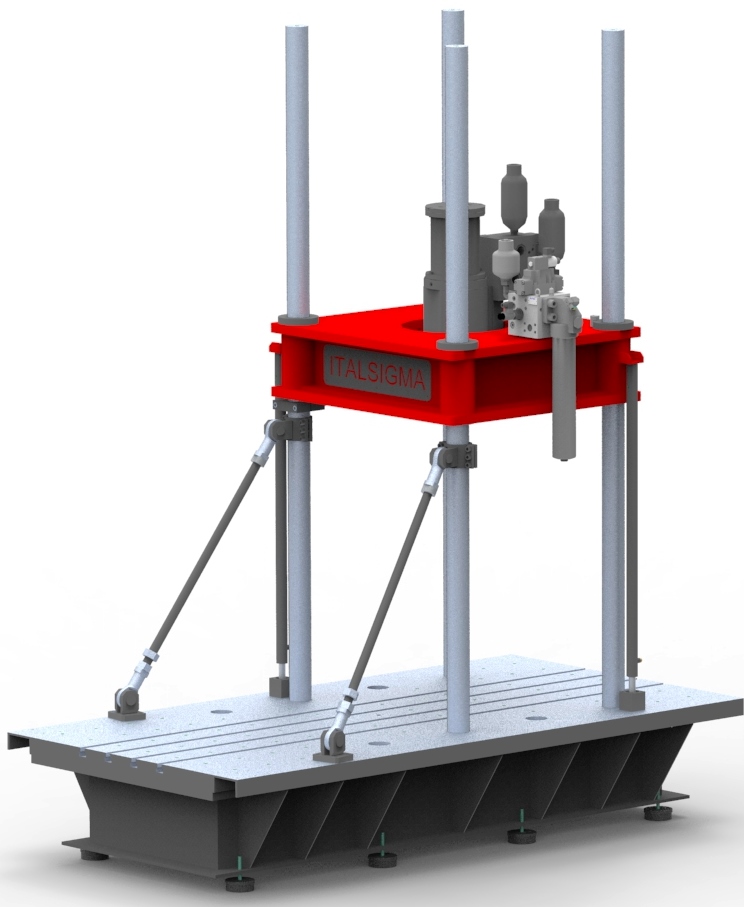
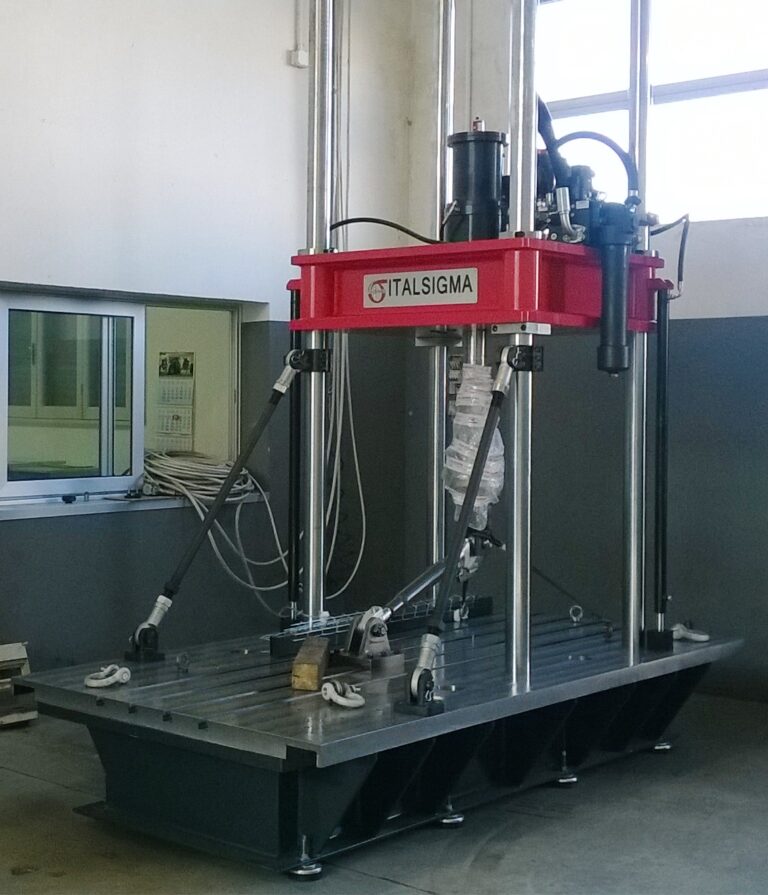
    • Static capacity: ±1,000 kN (280 bar)
    • Maximum static force: 1,200 kN
    • Dynamic force: max. 750 kN, min. 10 kN
    • Cylinder stroke: ±100 mm
    • Maximum dynamic stroke: 7 mm on the specimen at 5 Hz
    • Specimen working clearance: 6,000 × 2,600 × 1,000 h mm
  • FPF500 – SERVO-HYDRAULIC TESTING MACHINE

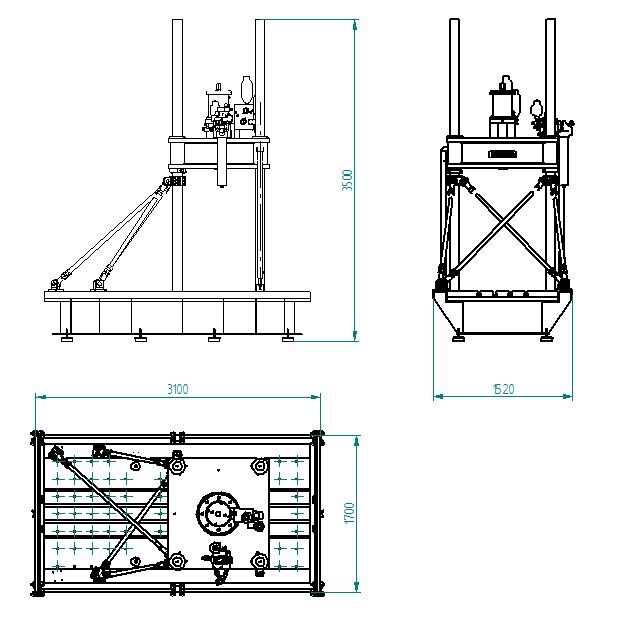
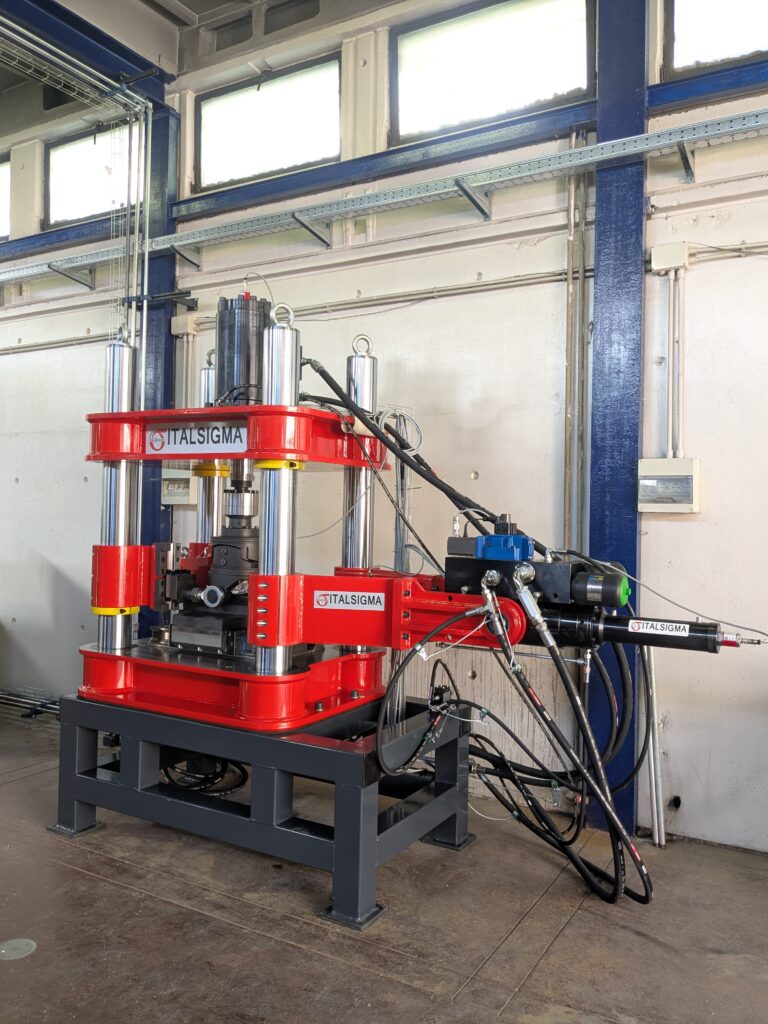
    Four-column testing machine equipped with lateral column reinforcements, designed to withstand test loads up to 500 kN without significant deformation.

    The base features a slotted test surface for securing testing fixtures and equipment.
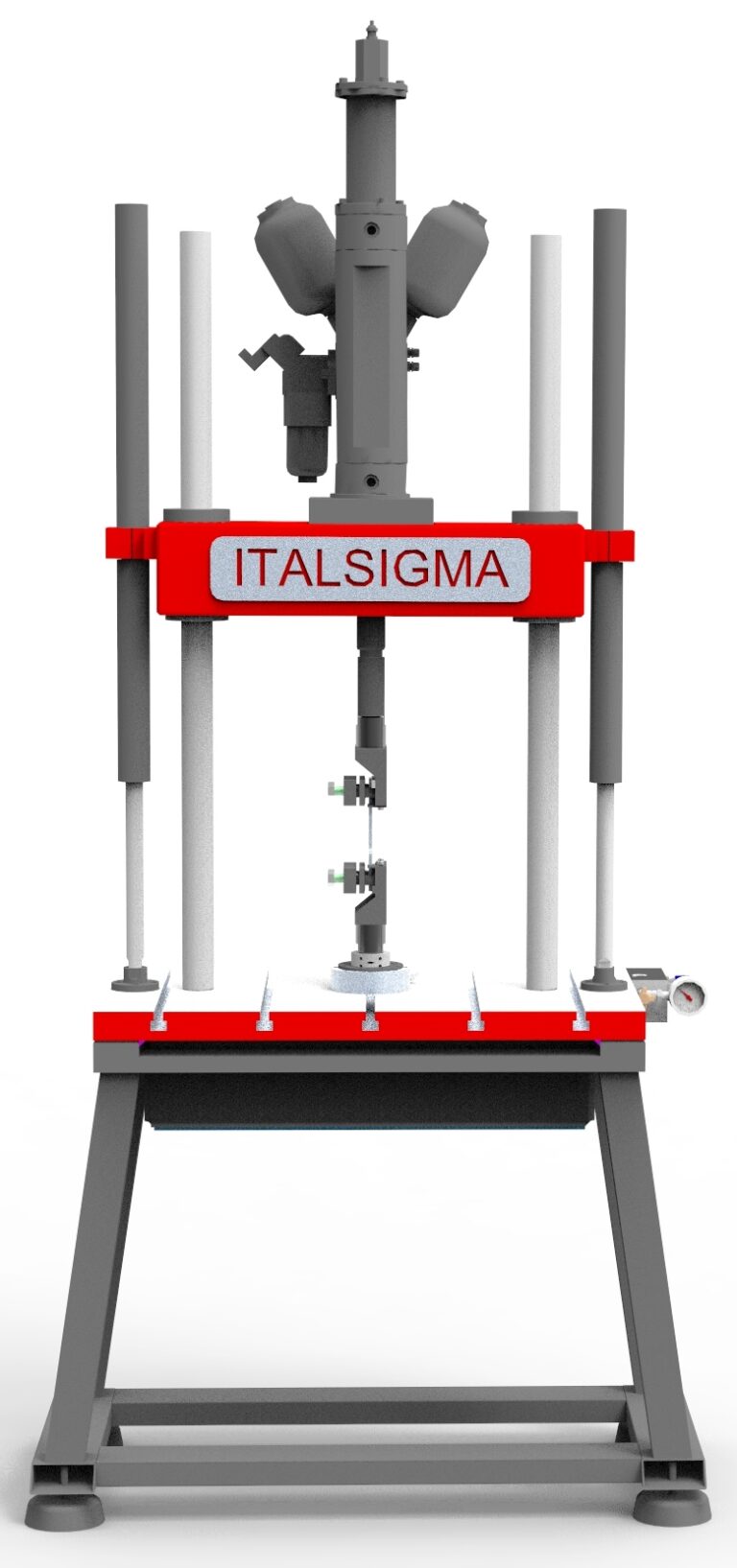
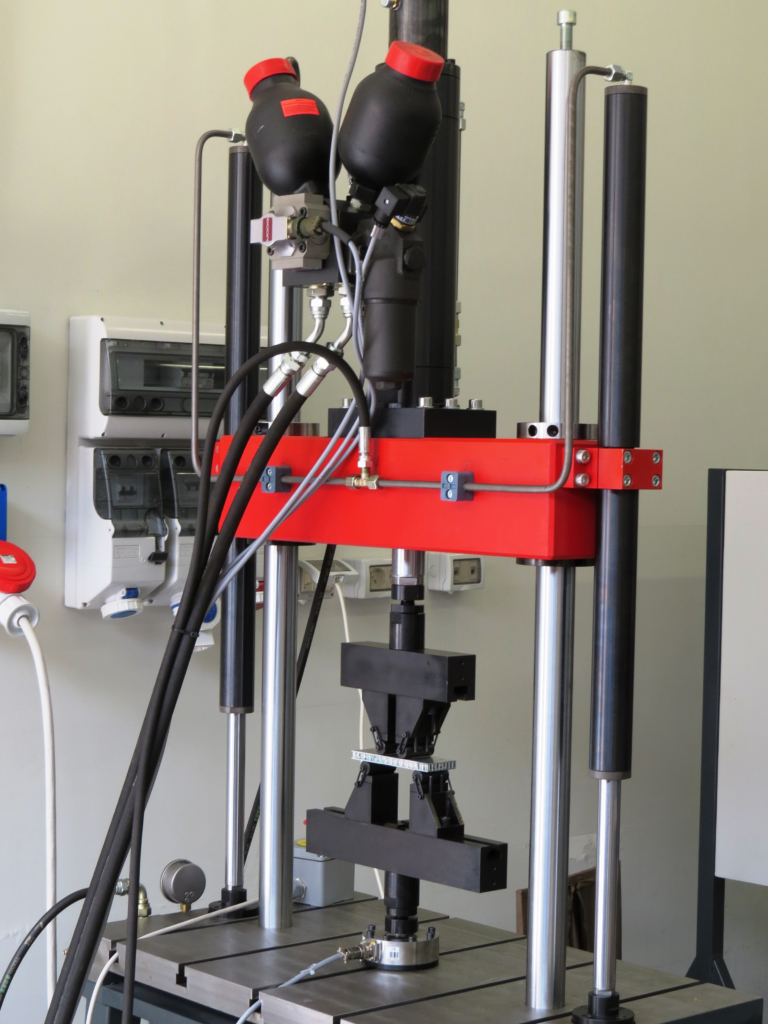
    • Support surface: 2,900 × 1,500 mm
    • Hydraulic lifting of the upper crosshead
  • FPF25 – SERVO-HYDRAULIC TESTING MACHINE

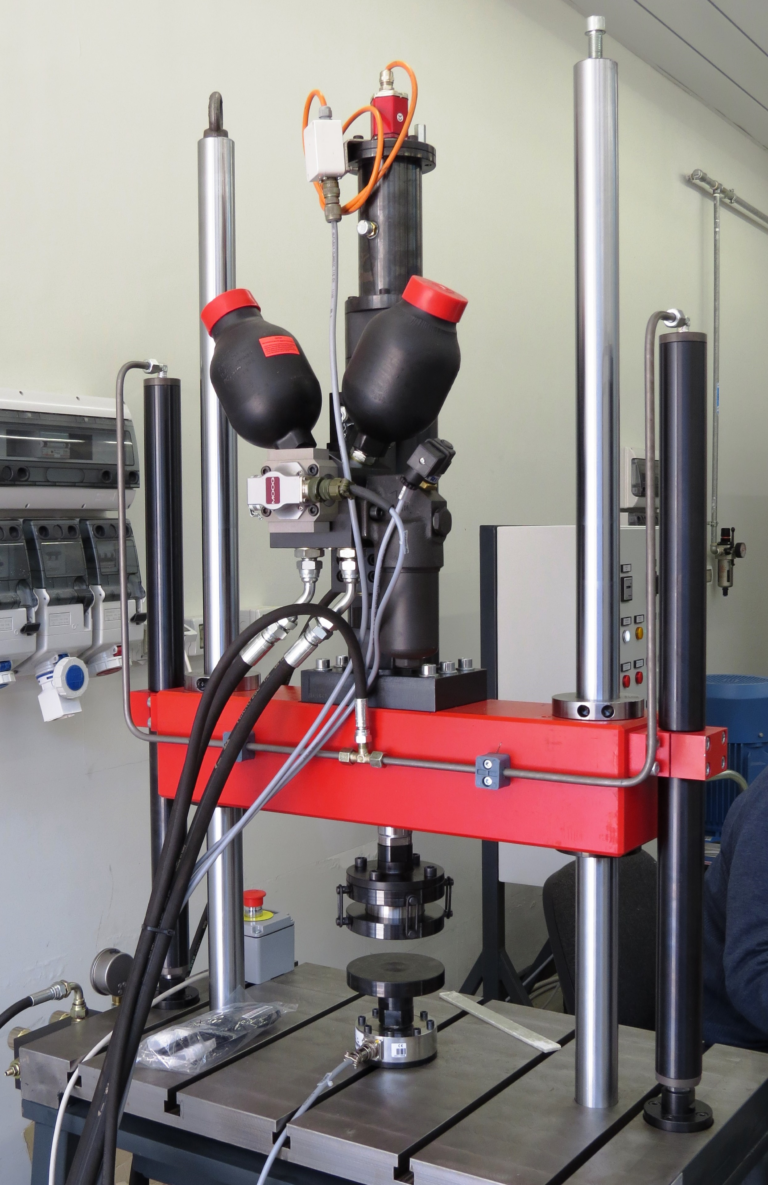
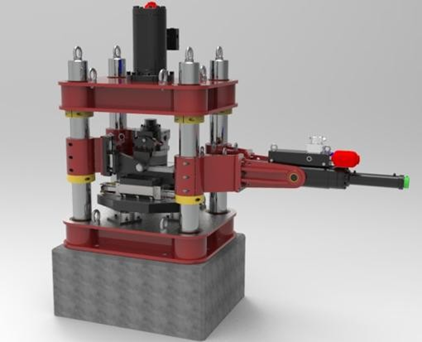
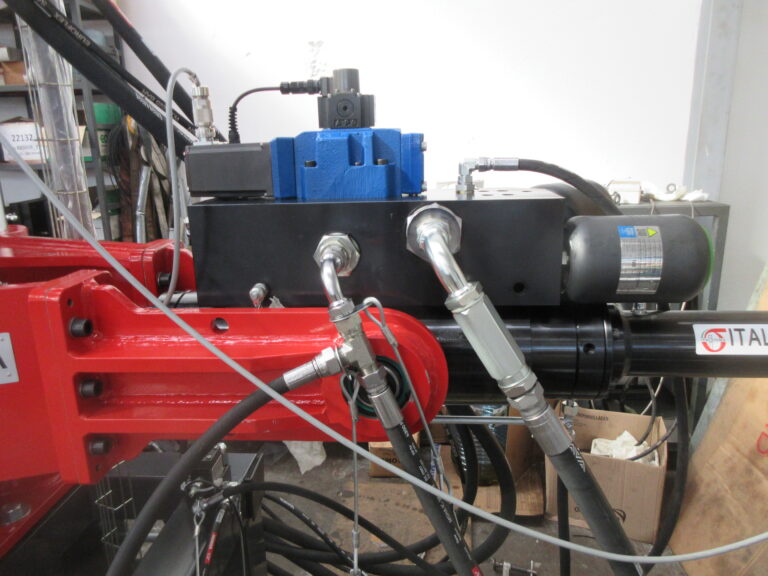
    Two-column testing machine equipped with a servo-hydraulic actuator mounted above the upper crosshead and a slotted support base.

    The load cell can be mounted either on the actuator or on the lower crosshead.
  • BX2112 – Servo-Hydraulic Testing System

    Testing system for the characterization of sliding materials.

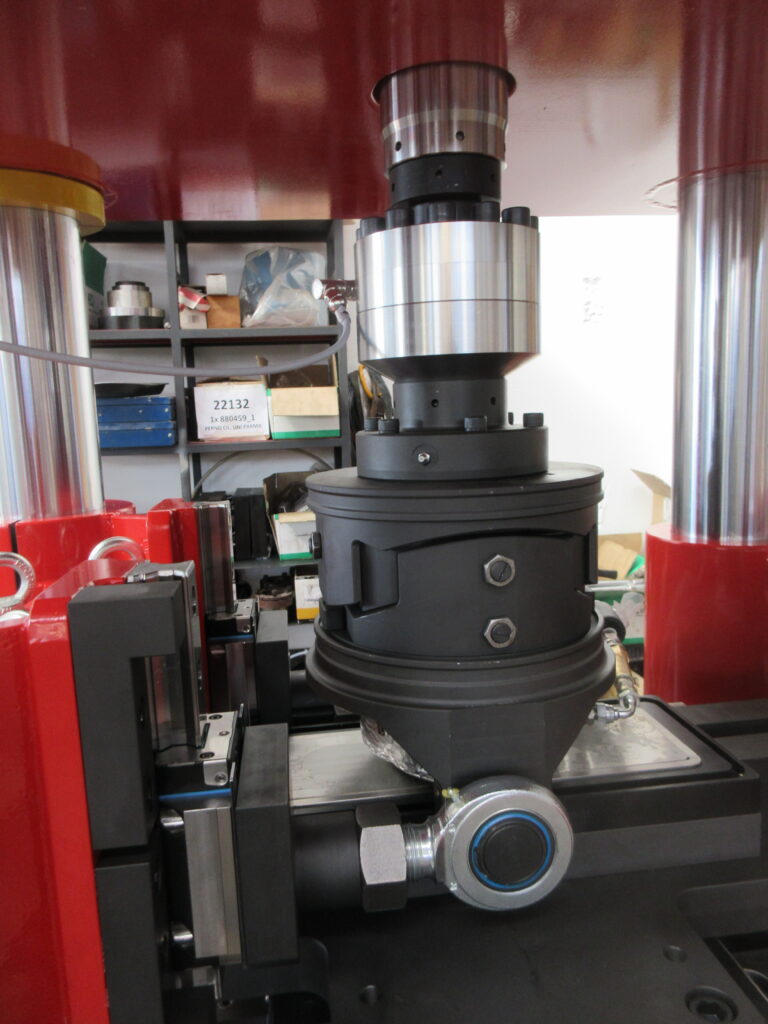
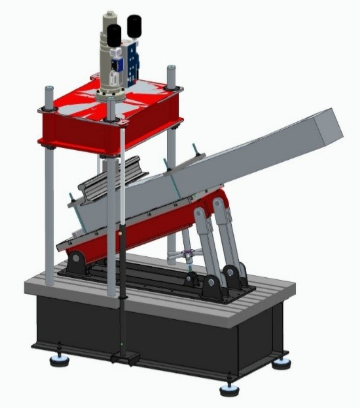
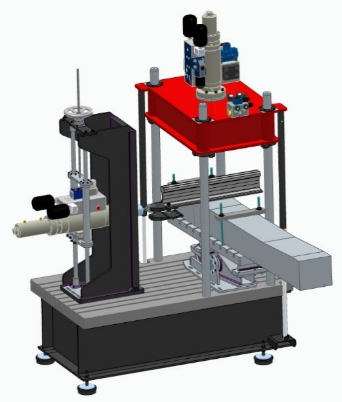
    The Italsigma BX2112_1P is designed to determine the coefficient of friction between sliding elements used in structural bearings, in accordance with EN 1337-2:2002, Annex D. TECHNICAL SPECIFICATIONS
    • Vertical load: 500 kN
    • Horizontal load: 100 kN
    Main components:
    • Four-column frame designed to withstand a vertical load of 500 kN with high structural rigidity.
    • Vertical actuator capable of applying a compression force of 500 kN at 210 bar, with a 100 mm stroke. The actuator is equipped with a servo valve and an LVDT transducer for piston displacement measurement.
    • Force transducer for measuring the …
  • Rail Fastening System Testing Machine

    Testing system designed for the characterization of rail fastening systems.

    The system is designed to perform the following tests:
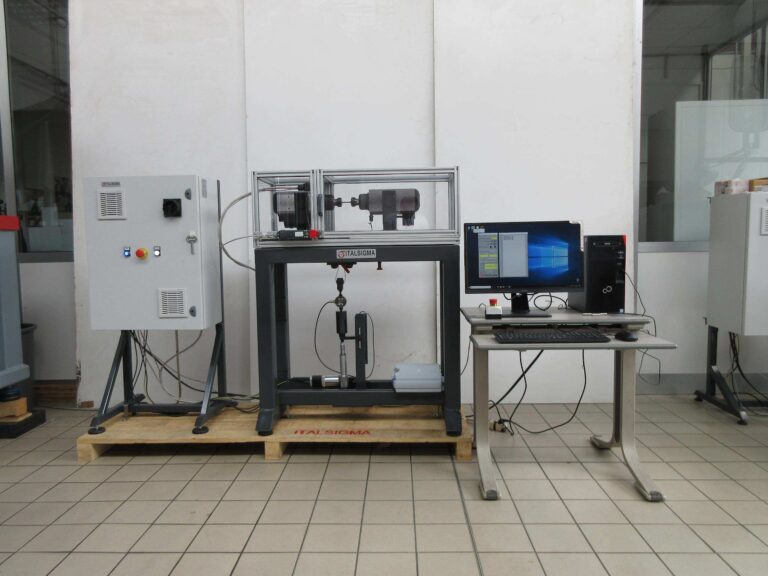
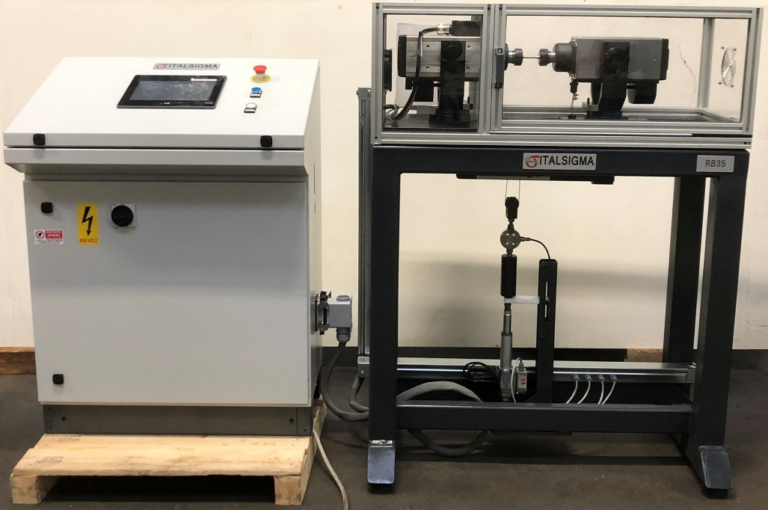
    • Determination of the longitudinal rail resistance, in accordance with UNI EN 13146-1
    • Determination of the torsional resistance of the rail, in accordance with UNI EN 13146-2:2012
    • Determination of the rail clamping force and uplift stiffness, in accordance with UNI EN 13146-7
    • Determination of stiffness, in accordance with UNI EN 13146-9
    • Determination of pull-out resistance, in accordance with UNI EN 13146-10:2017
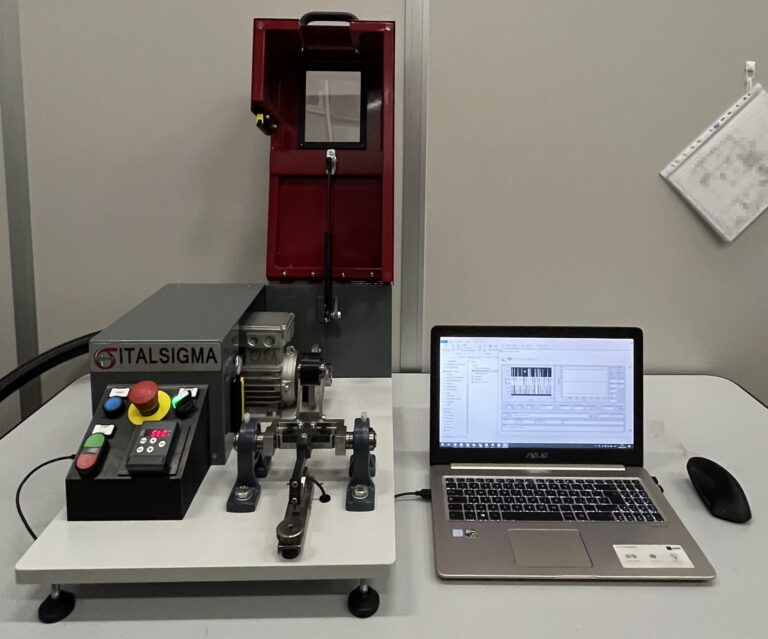
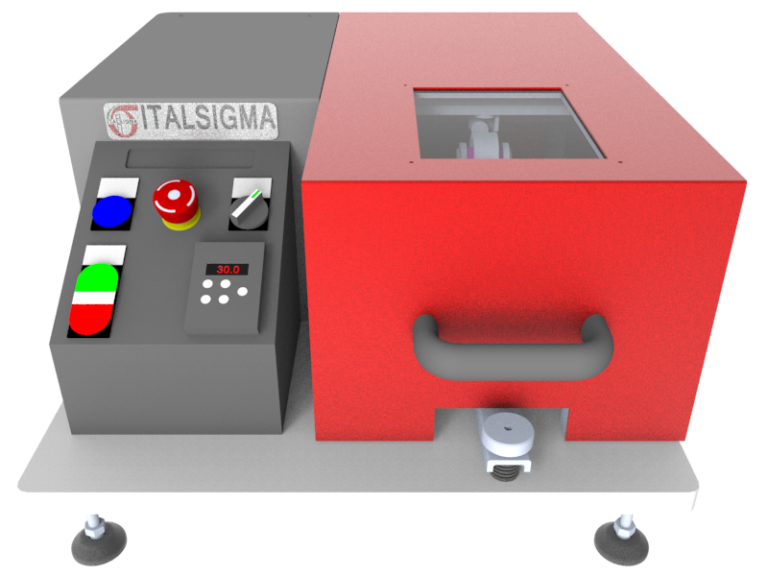
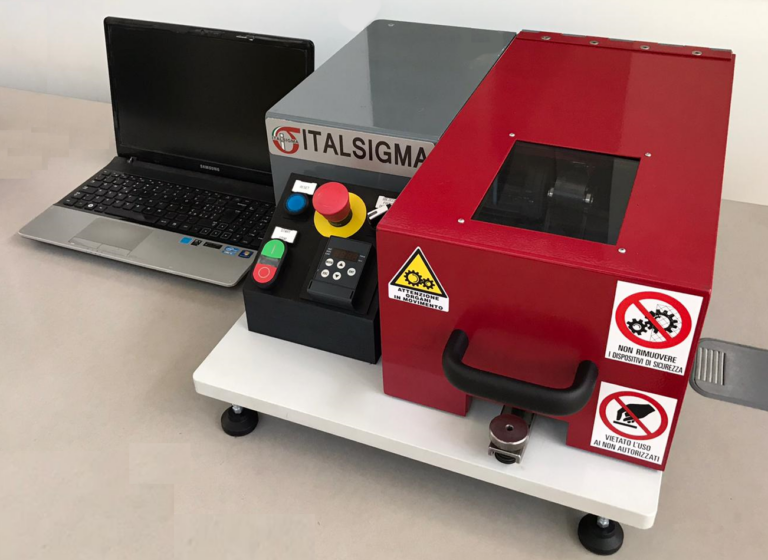
  • Rotating Bending – RB35

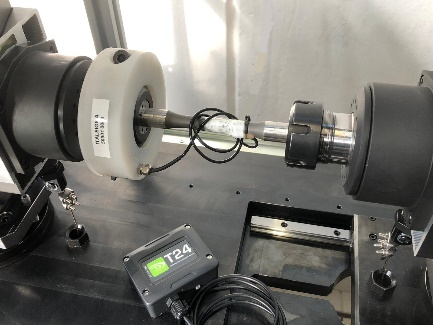
    Constant-load rotating bending testing machine.

    The testing system generates four-point bending with a constant bending moment along the specimen axis, while allowing continuous adjustment of the rotational speed around the longitudinal axis. The electromechanical testing machine is integrated into a tubular steel base and equipped with a protective polycarbonate enclosure. Test operation, control and data management are performed from a dedicated control console.
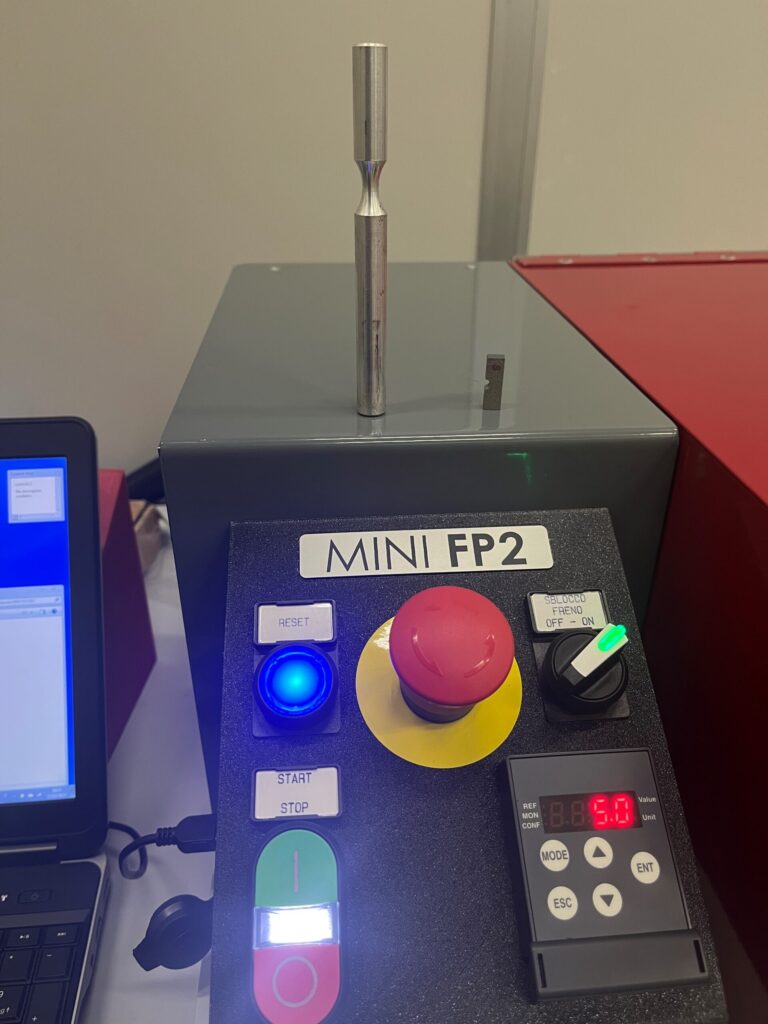
  • Plane Bending – MINI FP2

    The MINI FP2 is a fatigue testing machine featuring a novel approach based on specimen miniaturization and cyclic plane bending loading.

    The machine operates at a selectable test frequency of up to 50 Hz. MINI FP2 generates S/N curves for uniform test configurations and correlates the results with those obtained using standard-sized specimens.

Would you like more information?

Dosi Costruzioni Meccaniche

Holding Company

Baruffaldi Plastic Technology

Sister Company

©2026  ITALSIGMA S.r.l. Via Masetti, 50 – 47122 Forlì (FC) ITALY

P.IVA IT01763520408 | C.F. 01763520408 | Privacy&Cookie Policy | Credits: Wizard srl