
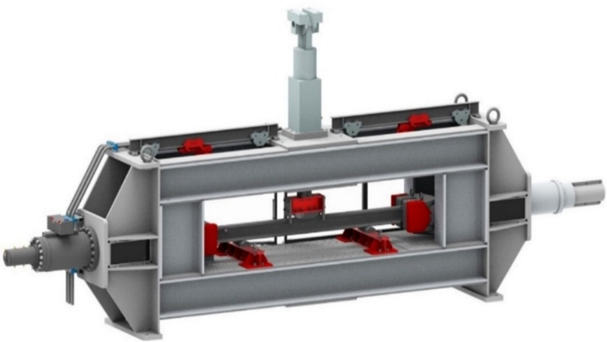
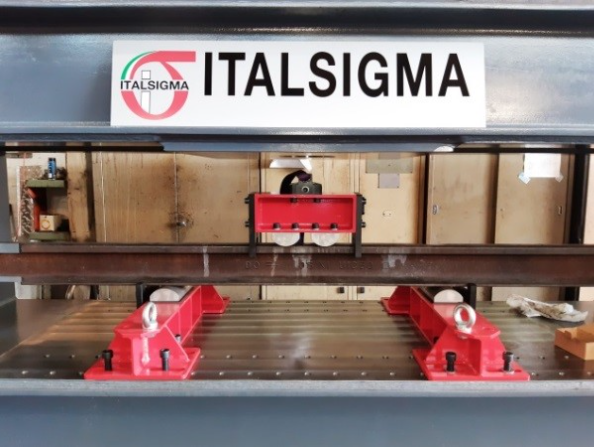
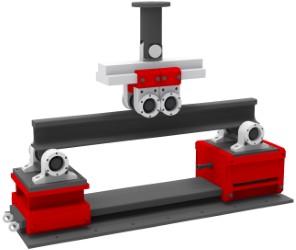
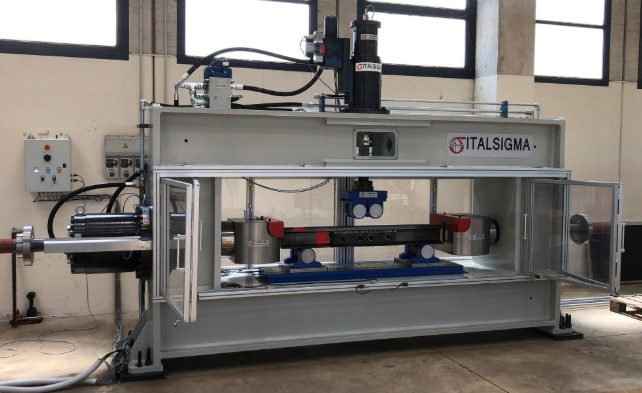
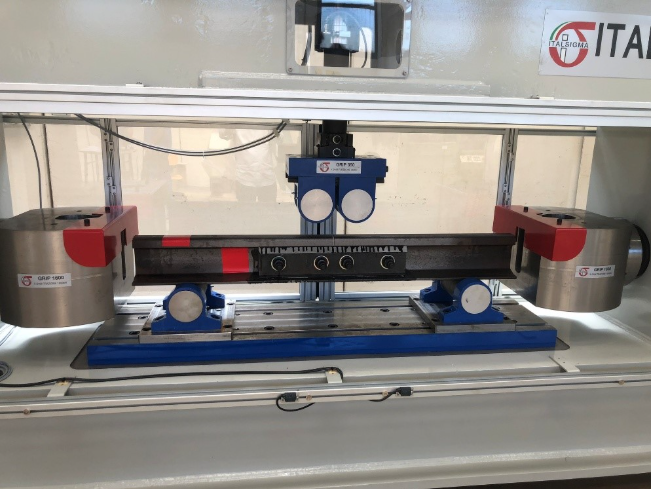
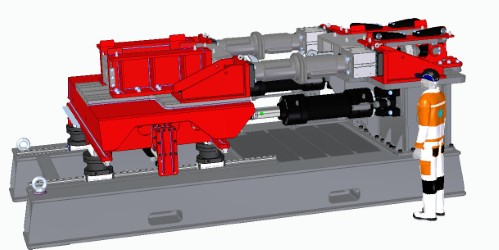
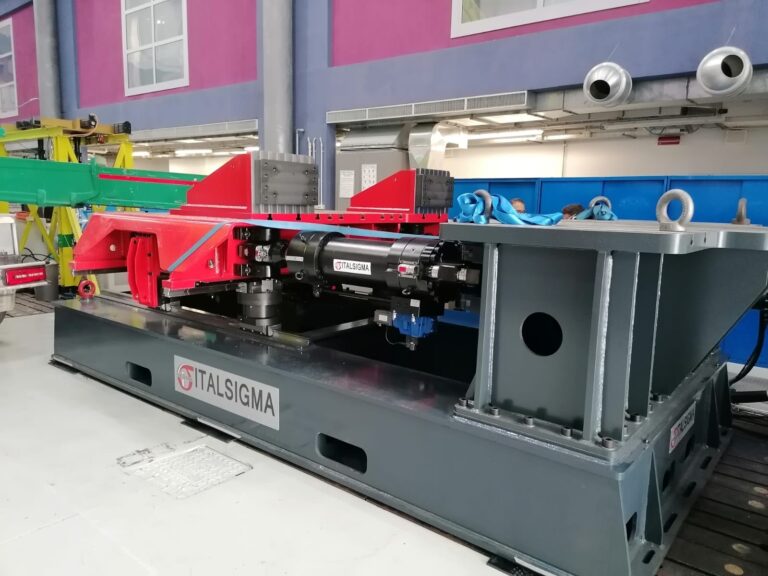
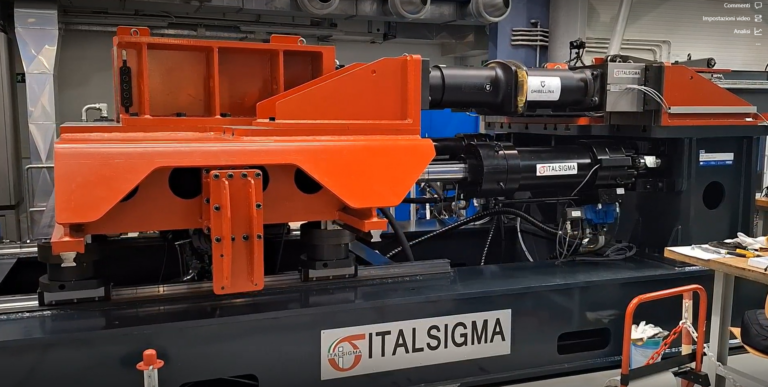
Indoor Test Bench for Railway Vehicle Traction and Coupling
Indoor testing bench for measuring traction and coupling forces between railway vehicles. TECHNICAL SPECIFICATIONS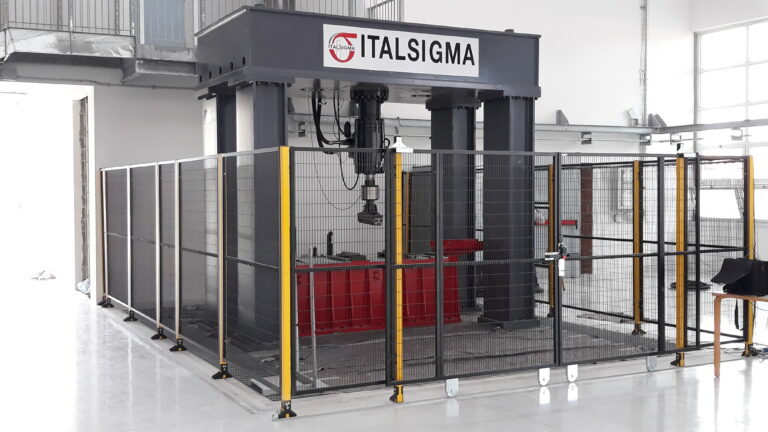
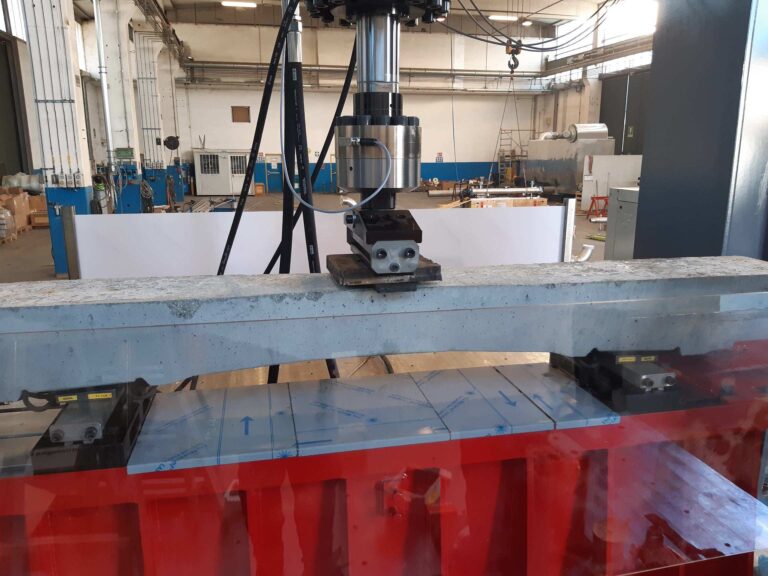
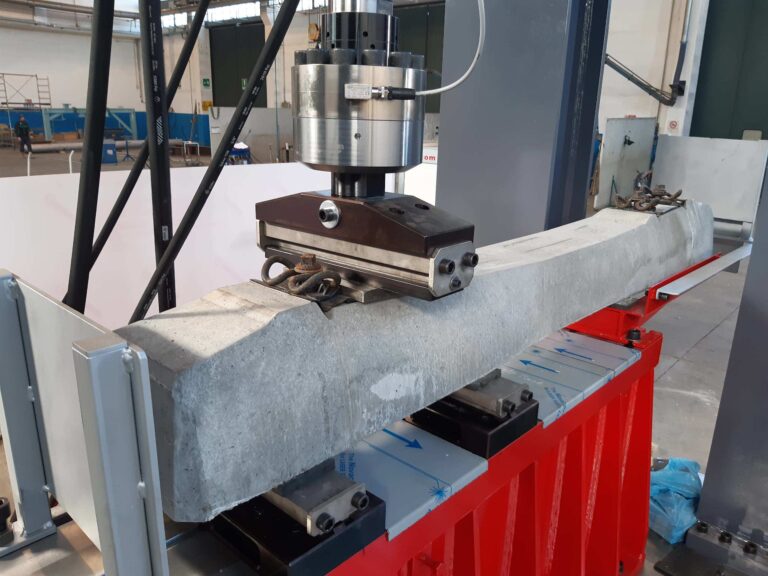
FATIGUE TESTING MACHINE FOR RAILWAY SLEEPERS
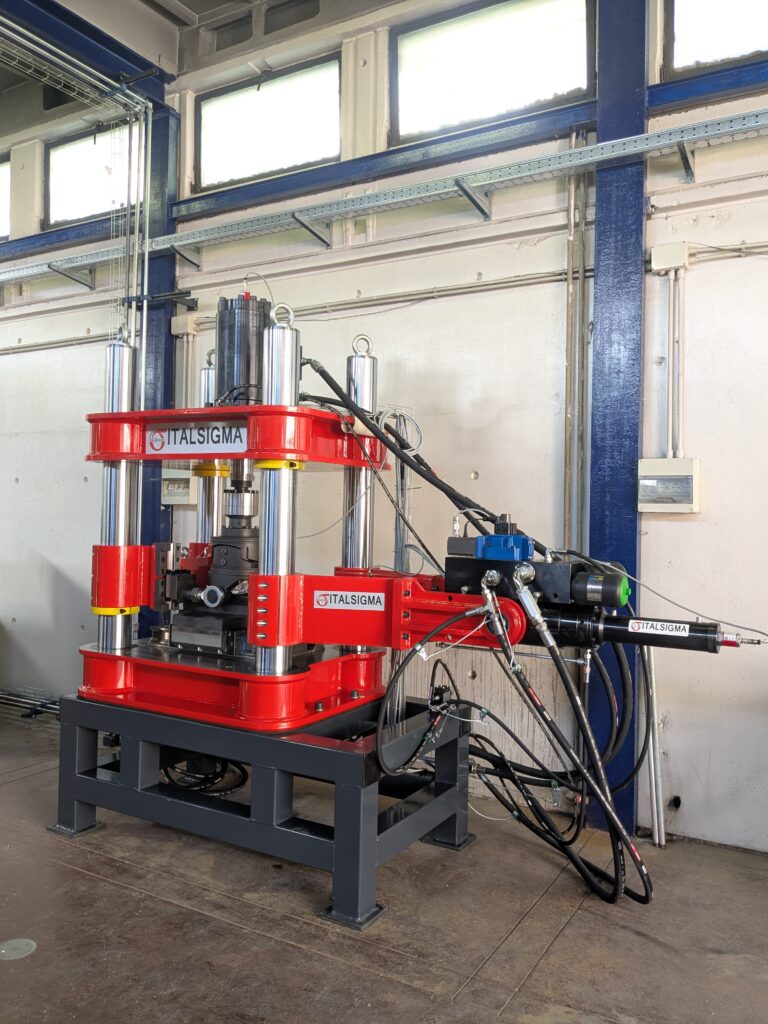
Four-column load frame (6,100 × 3,800 × 3,800 h mm).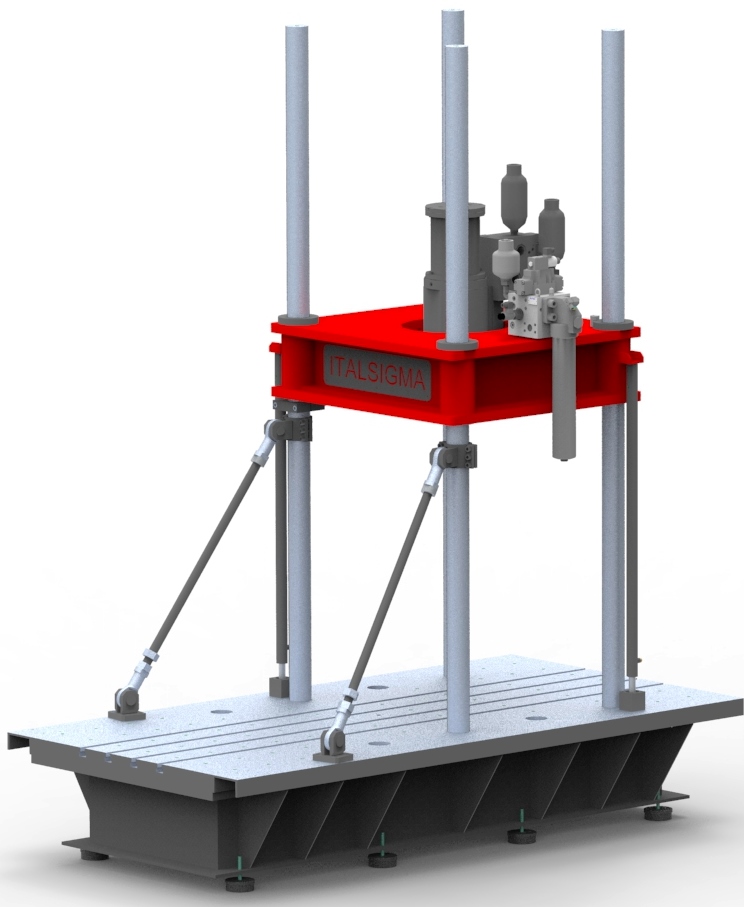
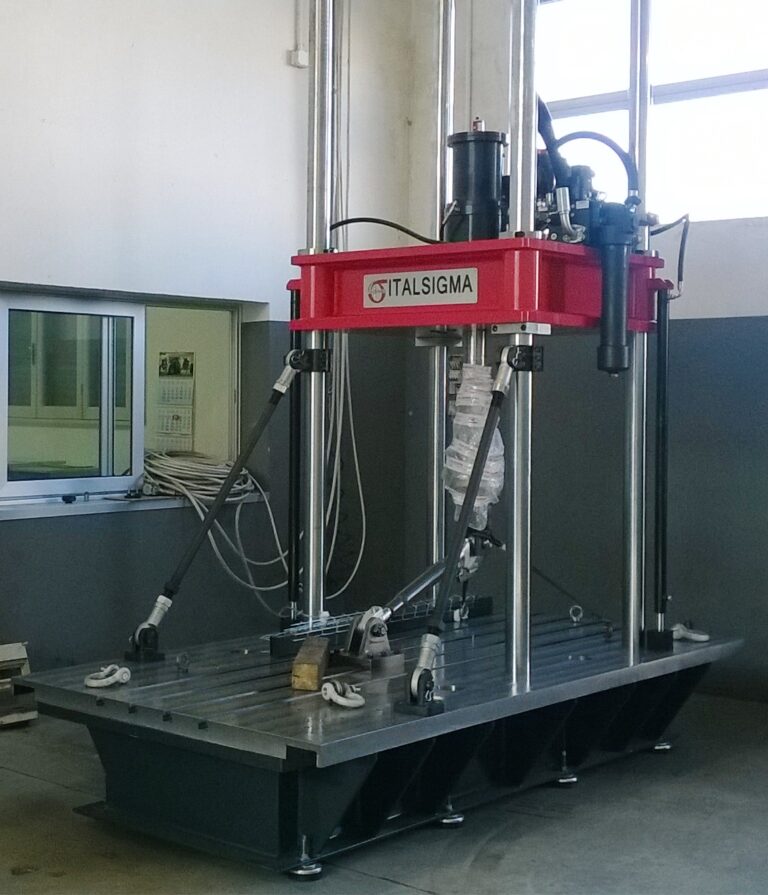
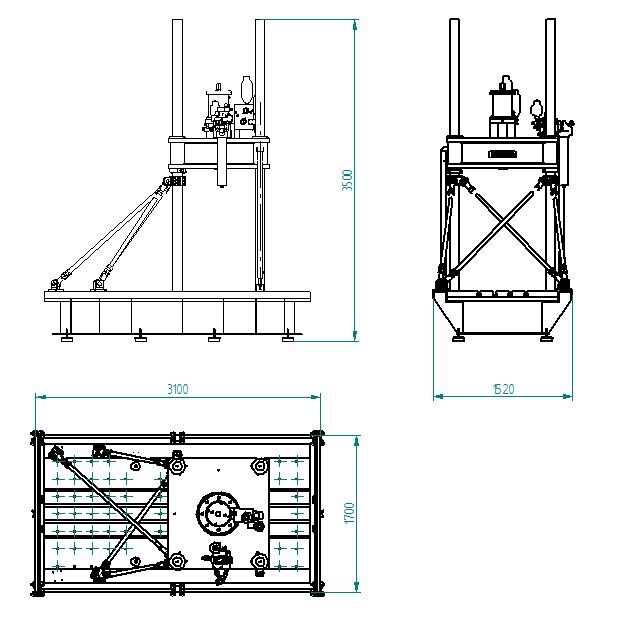
Four-column testing machine equipped with lateral column reinforcements, designed to withstand test loads up to 500 kN without significant deformation.
The base features a slotted test surface for securing testing fixtures and equipment.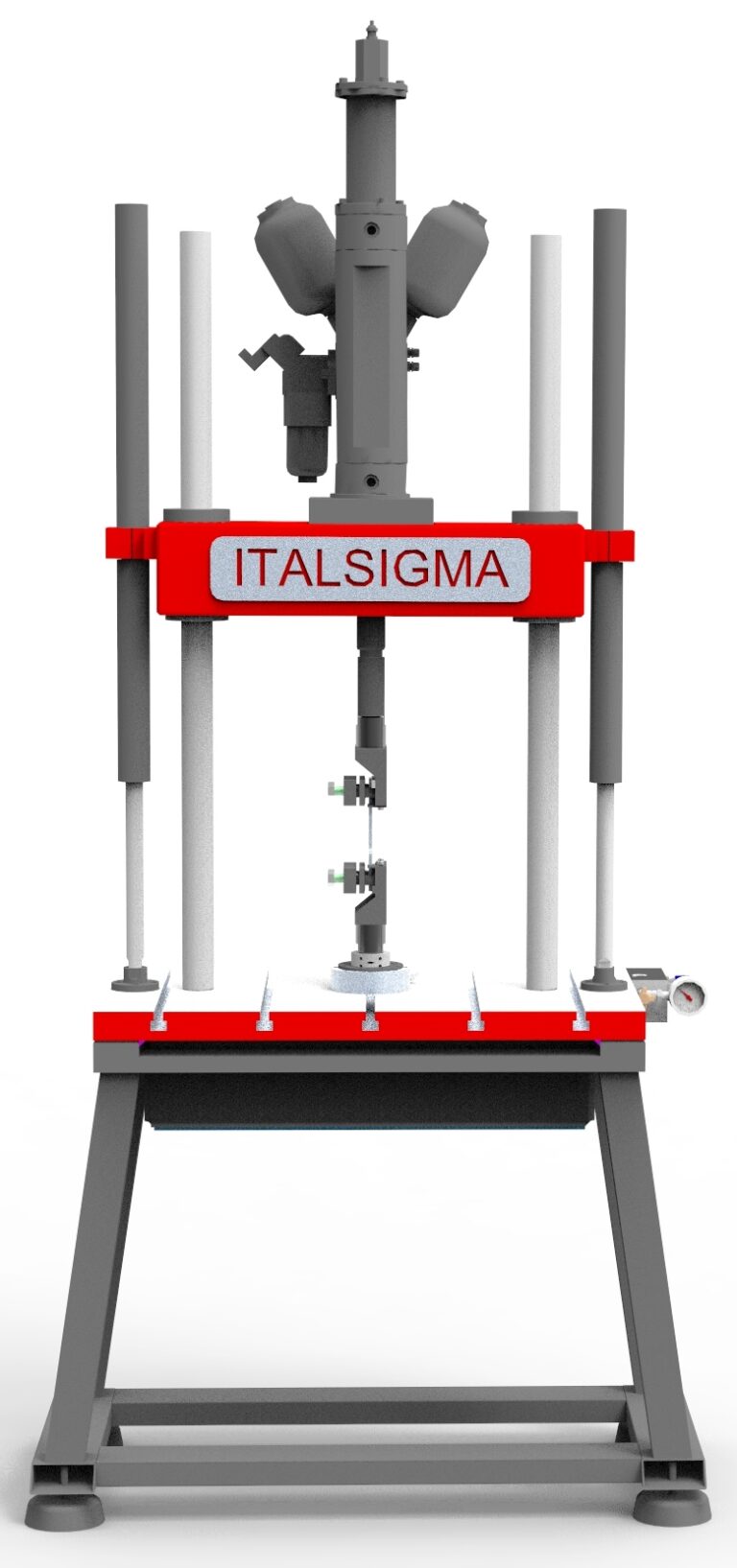
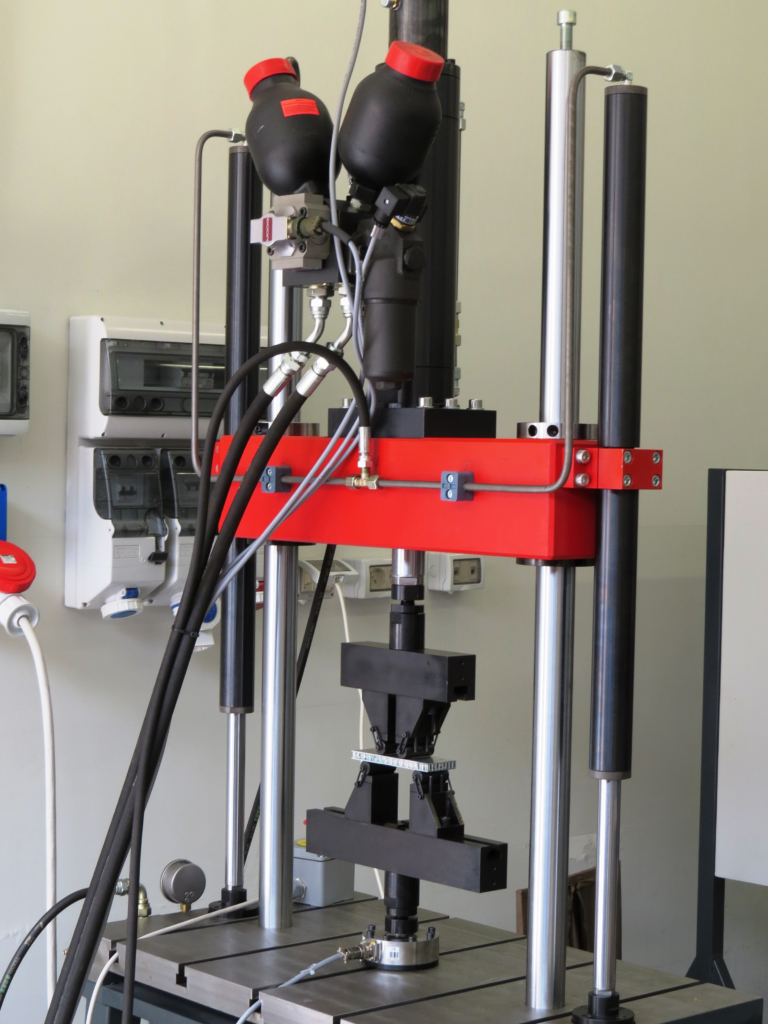
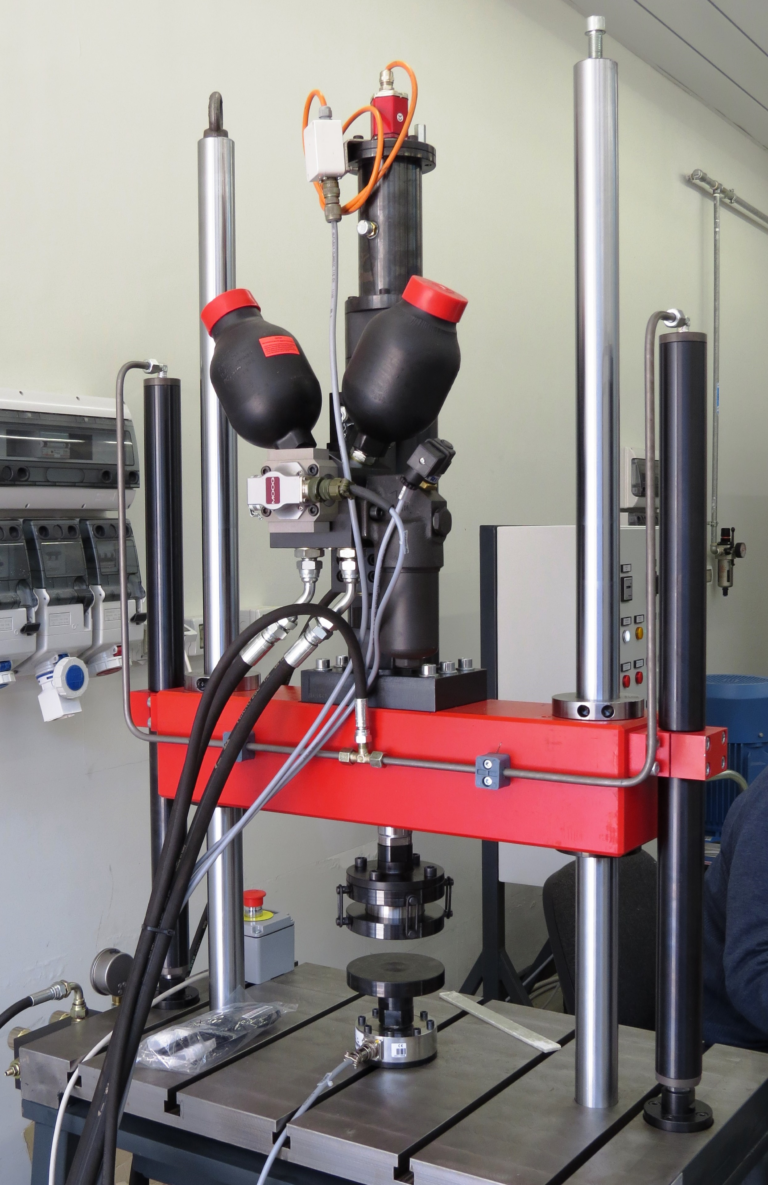
Two-column testing machine equipped with a servo-hydraulic actuator mounted above the upper crosshead and a slotted support base.
The load cell can be mounted either on the actuator or on the lower crosshead.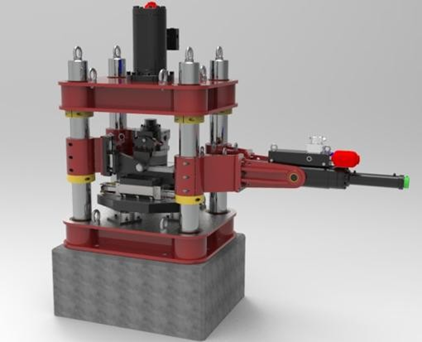
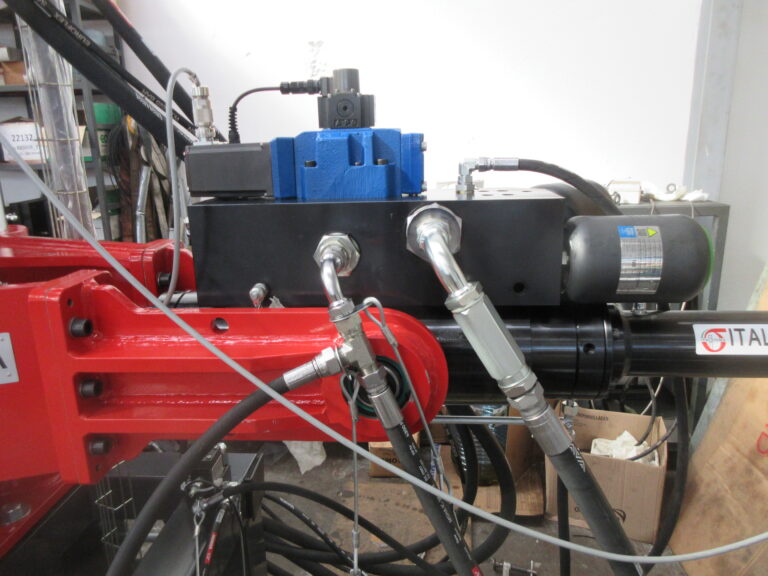
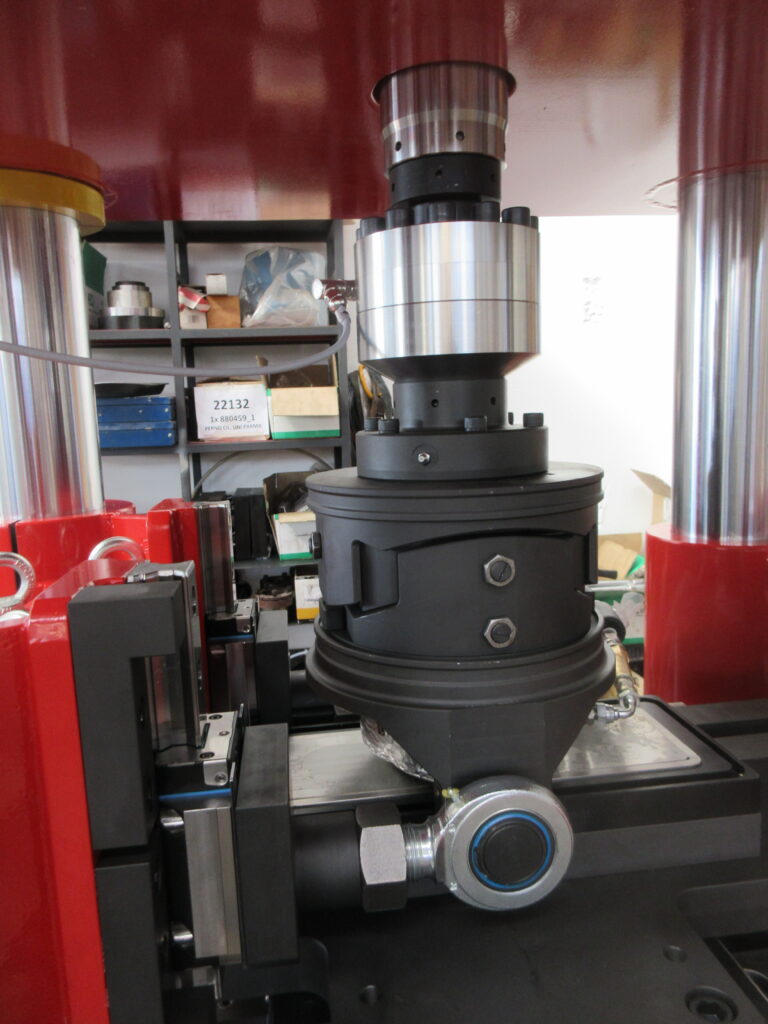
Testing system for the characterization of sliding materials.
The Italsigma BX2112_1P is designed to determine the coefficient of friction between sliding elements used in structural bearings, in accordance with EN 1337-2:2002, Annex D. TECHNICAL SPECIFICATIONS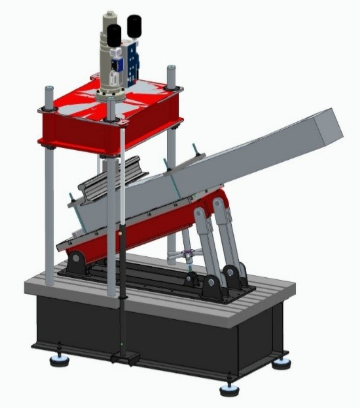
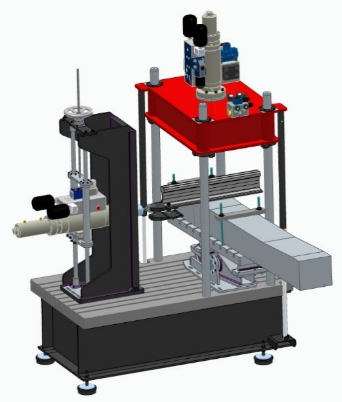
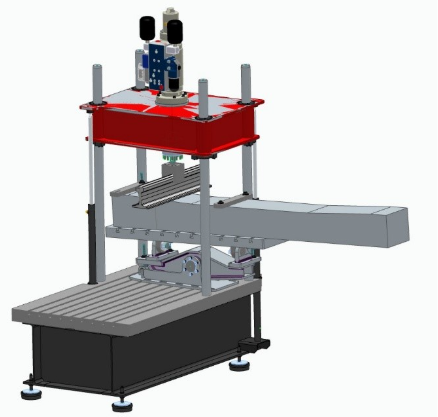
Testing system designed for the characterization of rail fastening systems.
The system is designed to perform the following tests: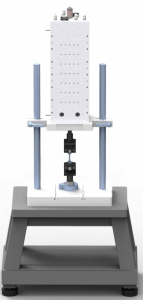
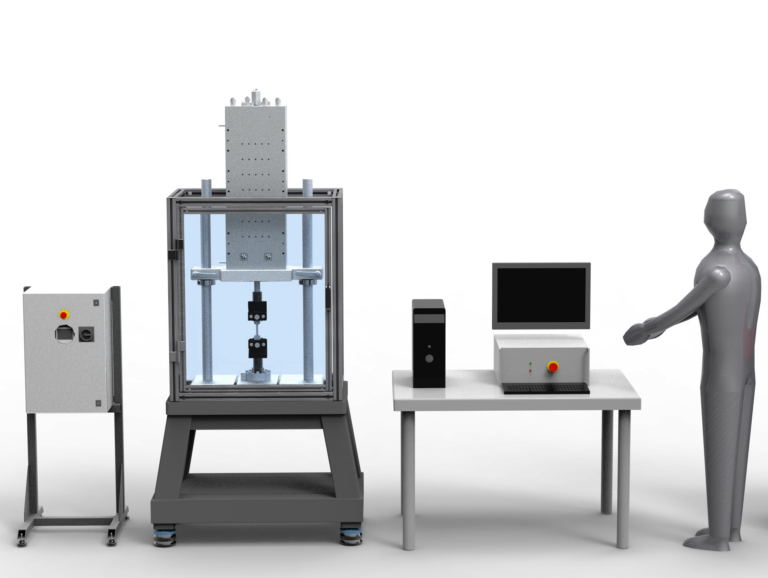
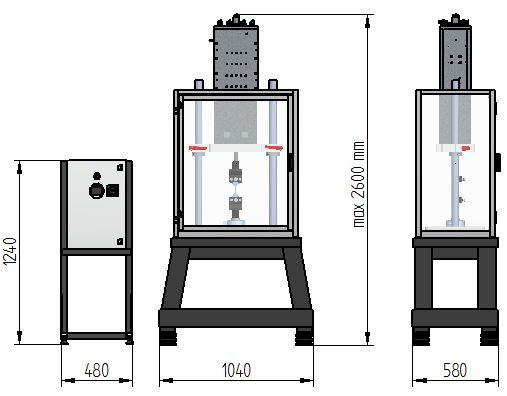
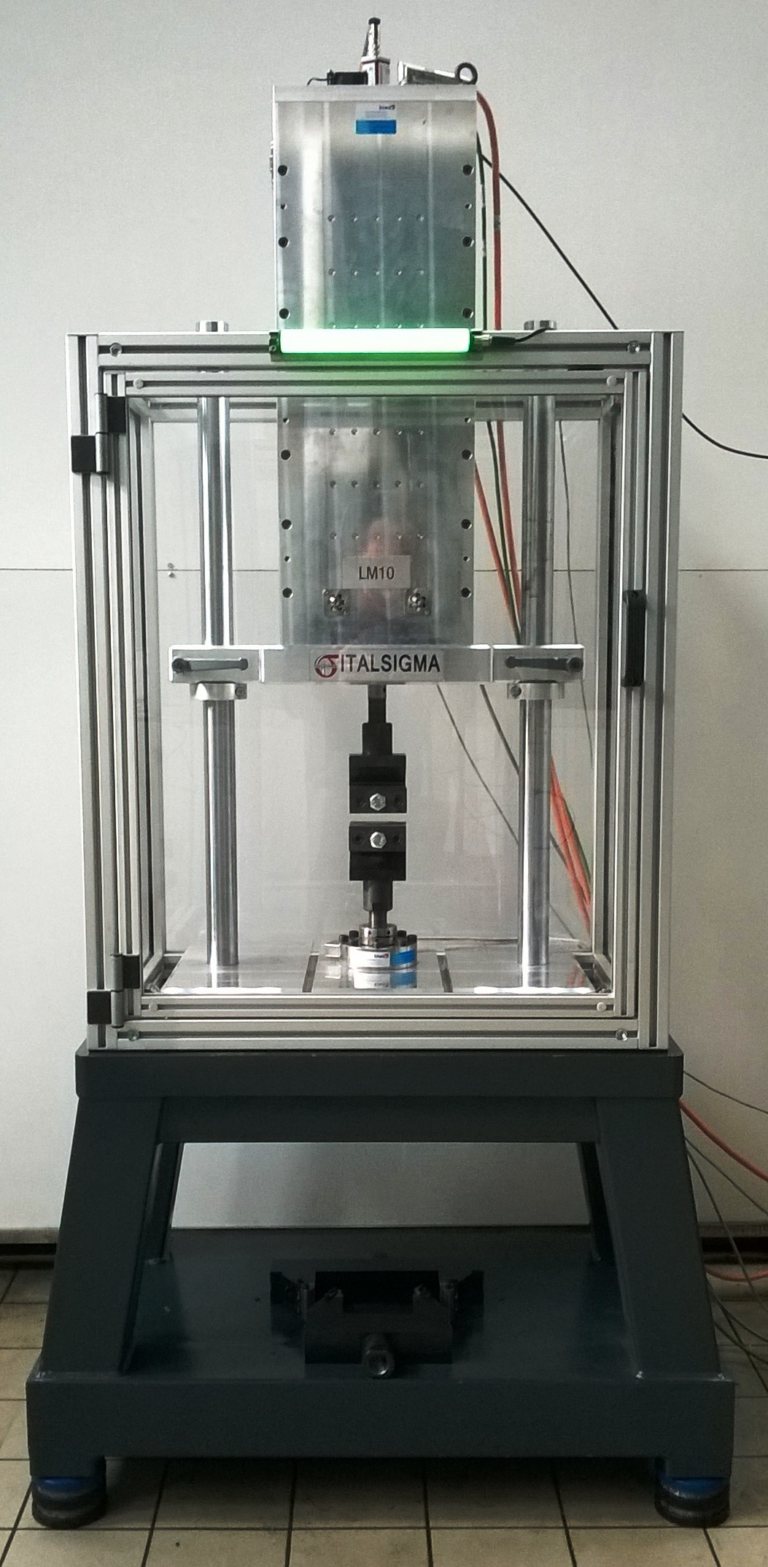
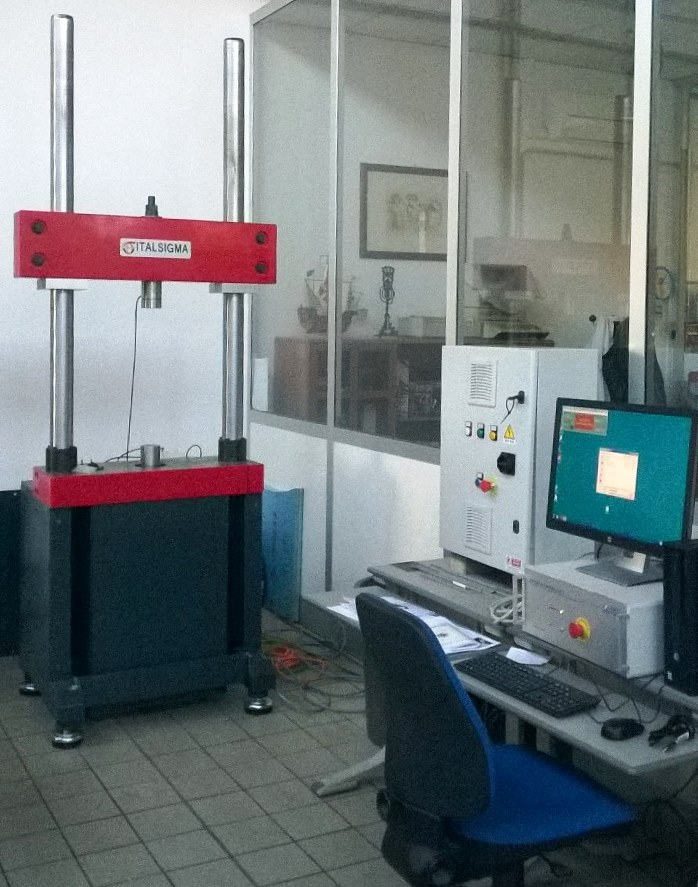
Two-column testing machine equipped with an electric actuator mounted on the upper crosshead and a slotted lower support base.
The load cell can be mounted either on the actuator or on the support base. The machine provides very high dynamic performance, with frequencies of up to 80 Hz.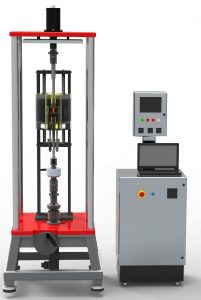
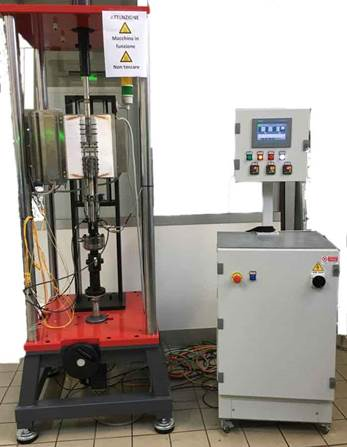
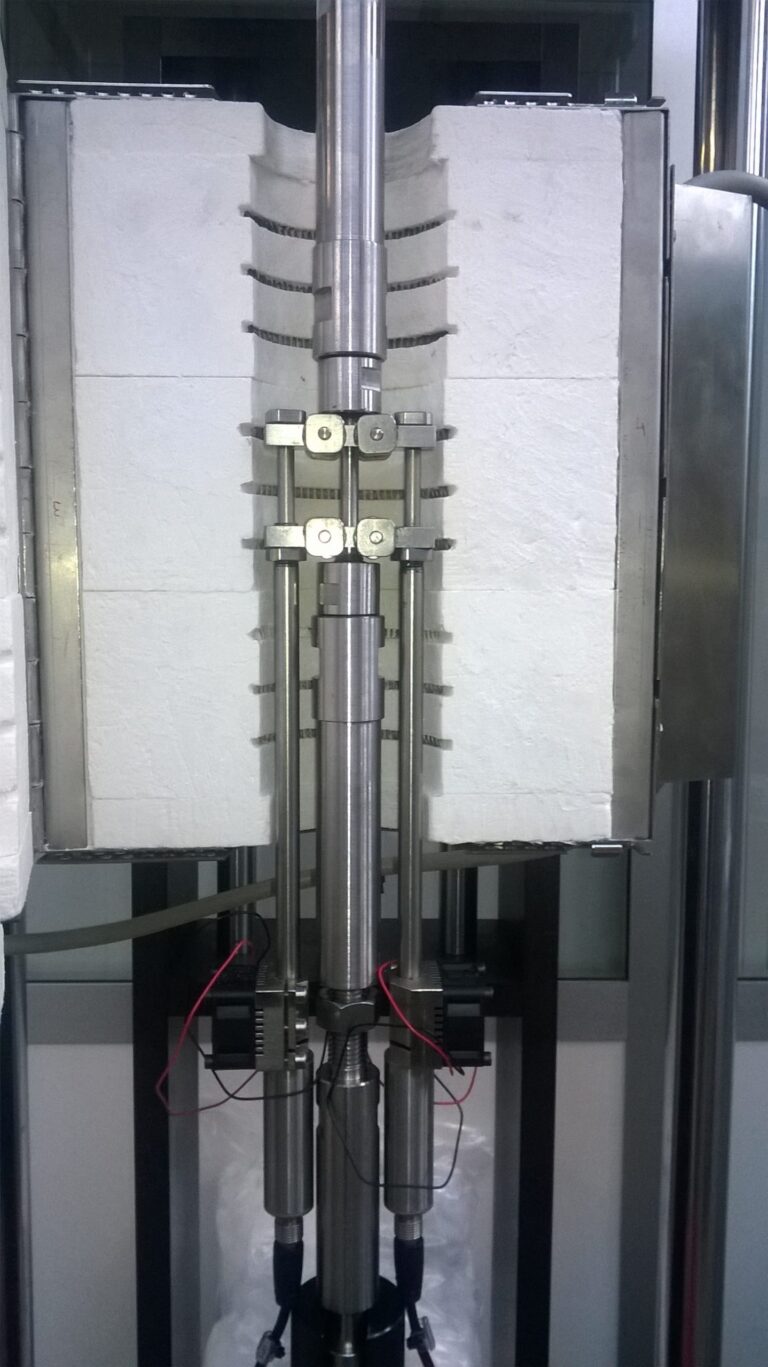
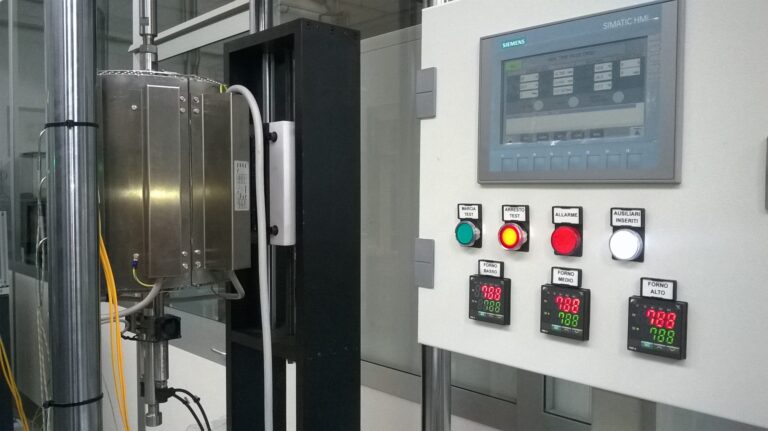
Uniaxial mechanical testing machine for tensile, creep and stress relaxation testing of metallic materials.
The machine features a high-stiffness four-column frame with vibration-isolated supports and an actuator mounted on the lower crosshead for servo-controlled load application. TECHNICAL SPECIFICATIONS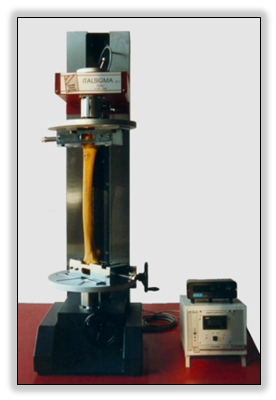
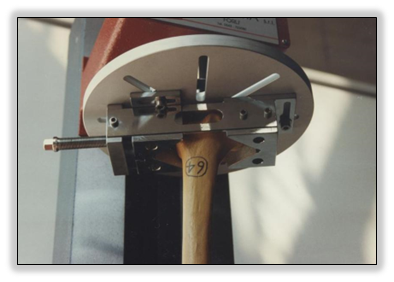
High-stiffness frame designed for torsion testing of femoral prostheses.
The torsional load is generated by an electronically controlled motor, with precise control of the angle of rotation. The lower test platform rotates and can apply a preload to the prosthesis.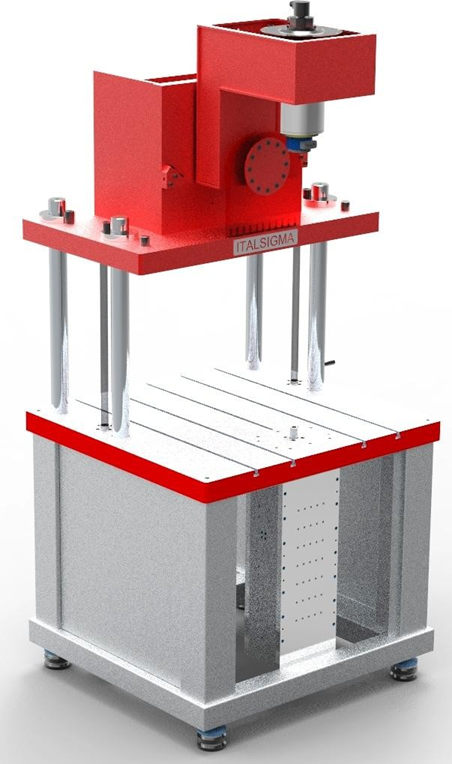
Three-axis biomechanical simulator for orthopaedic prostheses.
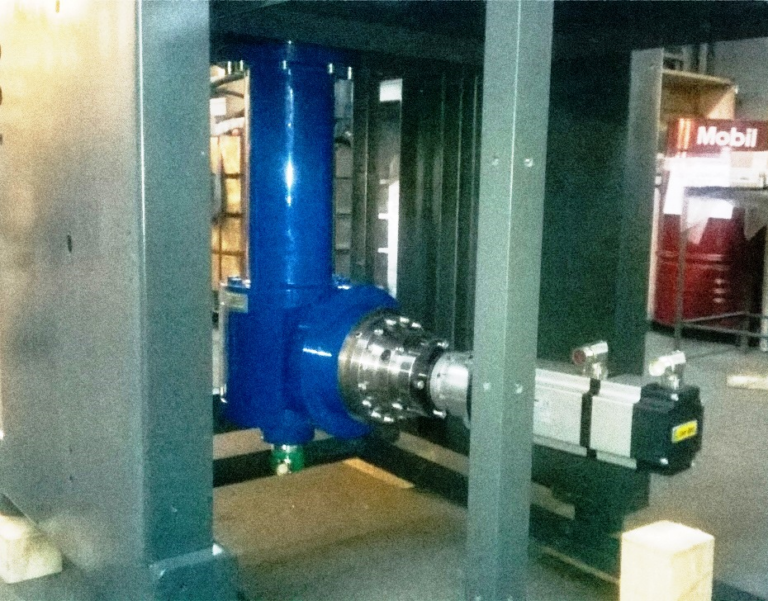
The machine features a four-column frame with an electric actuator mounted beneath the lower crosshead. The load cell can be mounted either on the lower or upper test surface. Equipped with a 6-axis load cell measuring Fx, Fy, Fz, Mx, My and Mz. TECHNICAL SPECIFICATIONS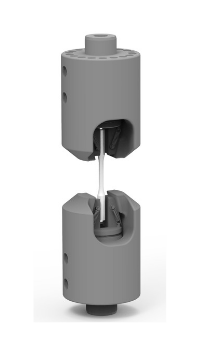
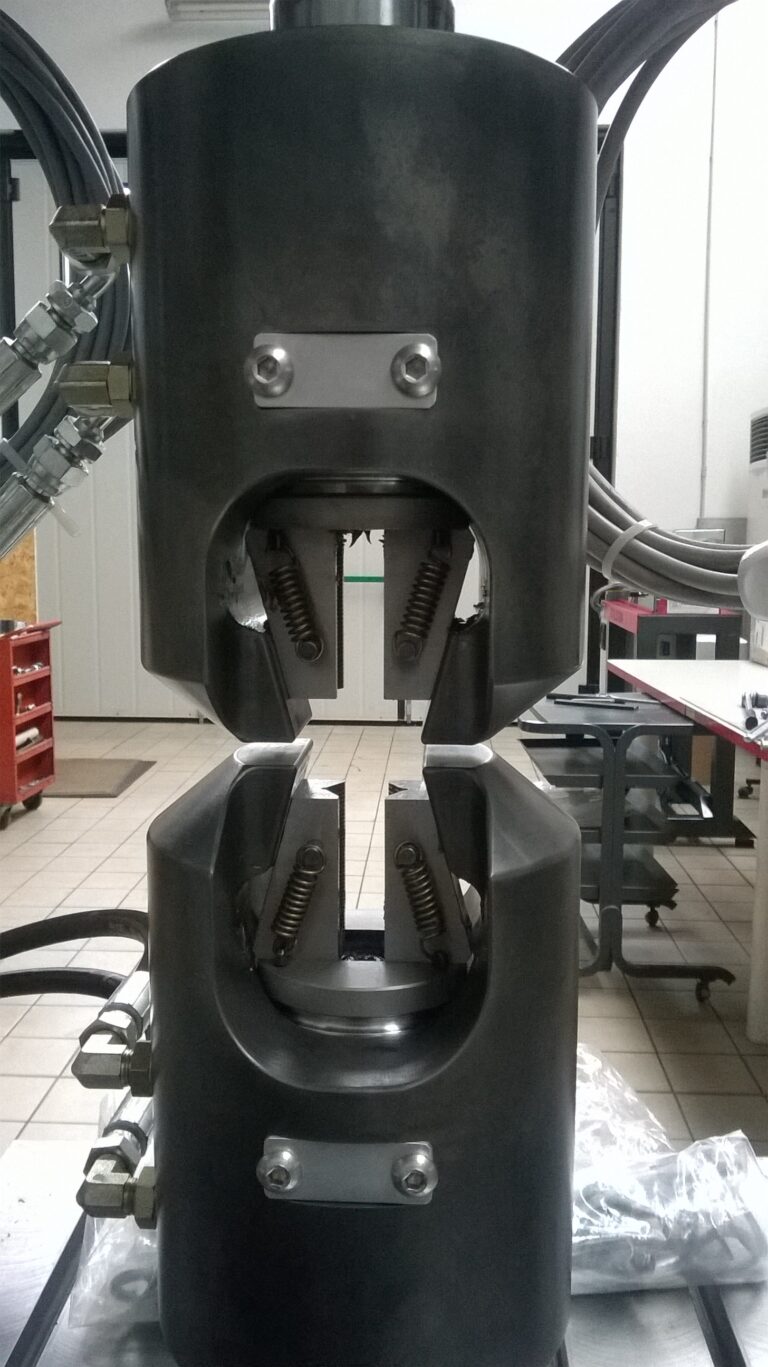
Self-centering hydraulic wedge grips with a one-piece steel body, suitable for tensile and compression testing as well as load cycles around zero, with forces of up to 100 kN.
Supplied with: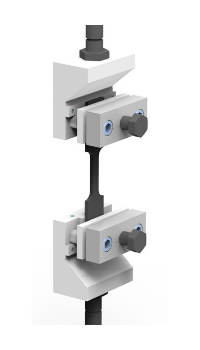
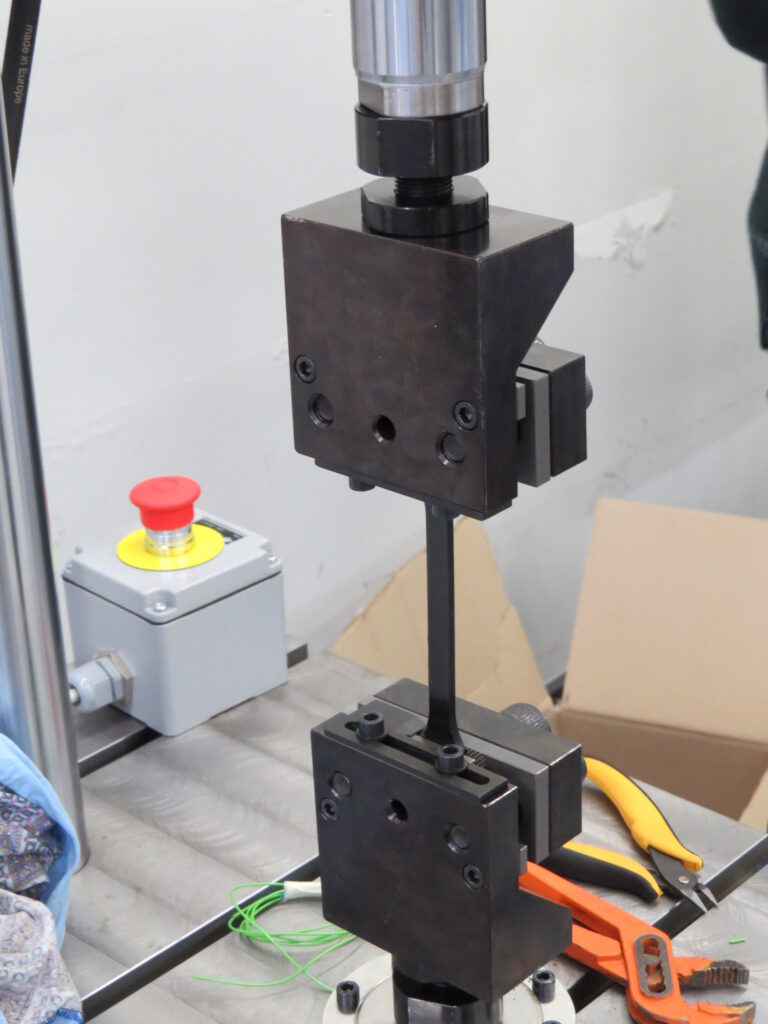
Mechanical grips for flat and/or round specimens, operating on a screw-clamping principle.
The grips are manufactured from 39NiCrMo3 quenched and tempered steel with a blued surface treatment, making them suitable for fatigue testing with loads of up to 20 kN. The gripping surfaces feature a knurled clamping system. Maximum gripping width: 30 mm Supplied with: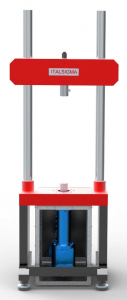
Slow strain rate testing machine with a two-column floor-standing load frame and an electric actuator mounted on the lower base.
The load cell can be mounted either on the electric actuator or on the crosshead. Test speed range: 0.001 to 5 mm/min at 100 kN.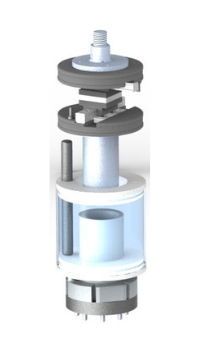
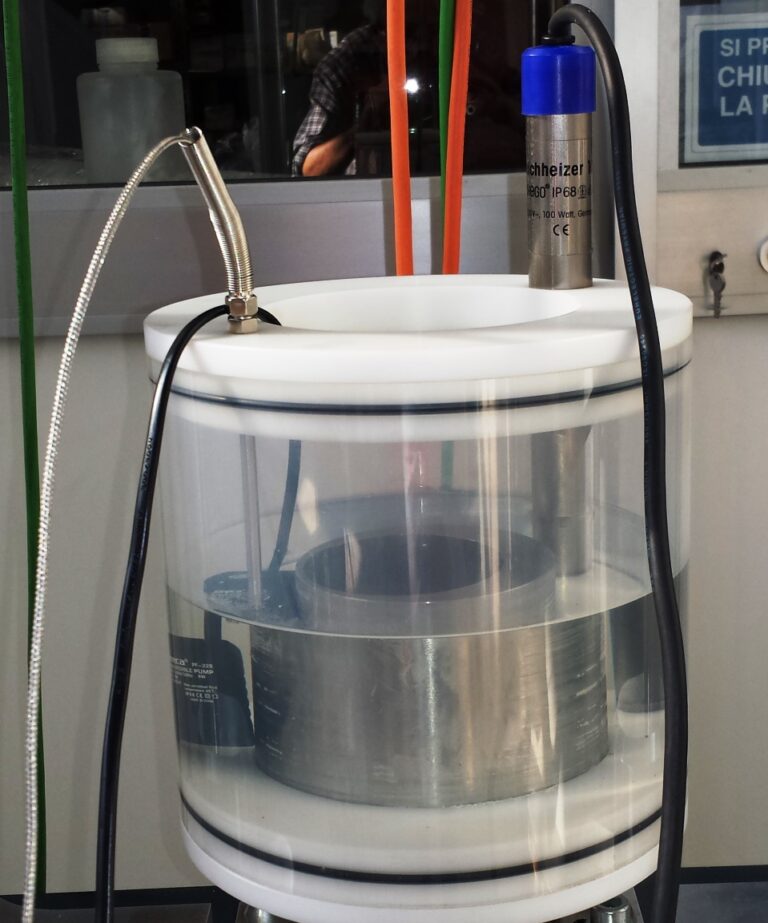
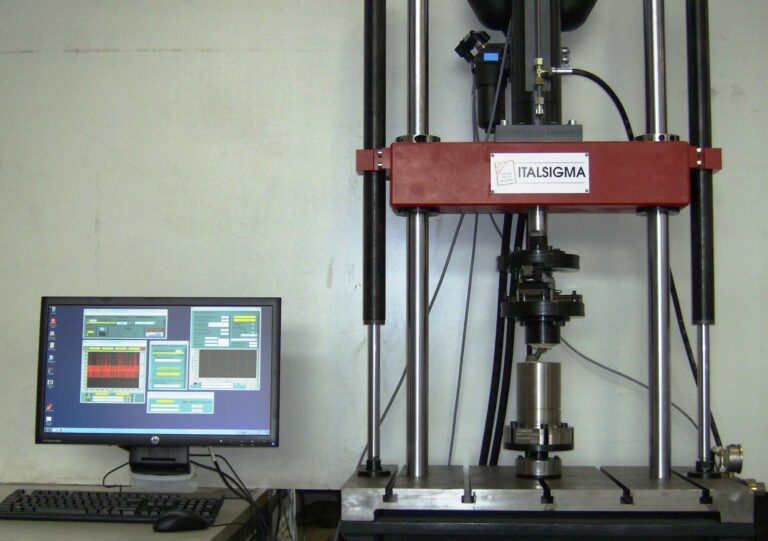
Testing system designed to perform static and fatigue tests on hip prostheses, consisting of:
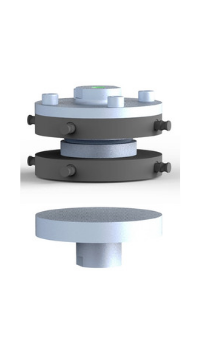
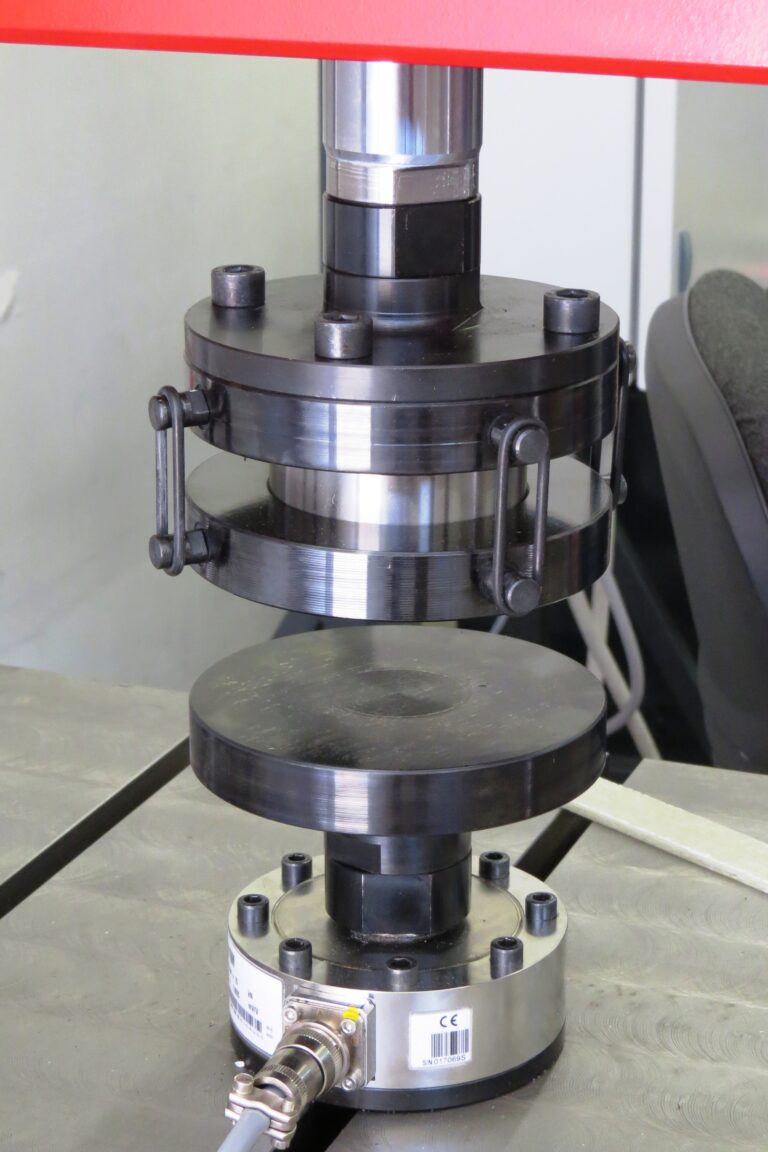
System consisting of circular steel compression platens made of 38NiCrMo3 steel, complete with a spherical joint to compensate for minor misalignments.
The upper platen, equipped with a spherical joint, is directly connected to the actuator piston rod. Four elastic retaining rings keep the spherical joint assembly in position. The lower platen is connected to the load cell, which is in turn secured to the frame base. TECHNICAL SPECIFICATIONS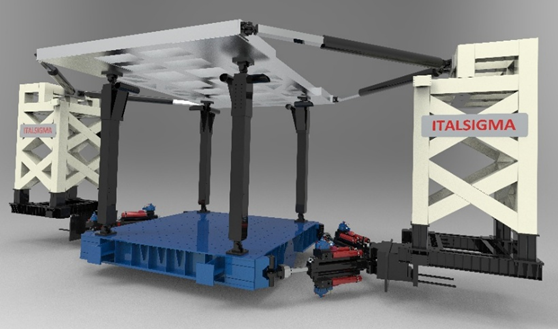
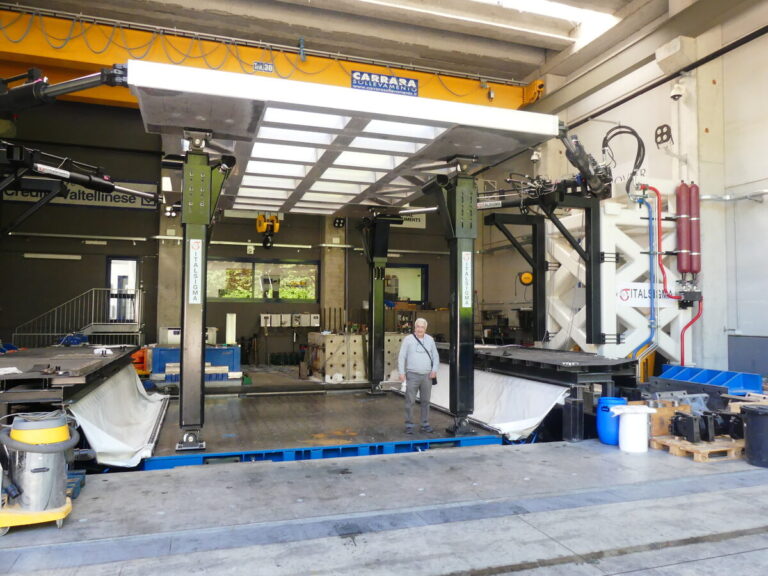
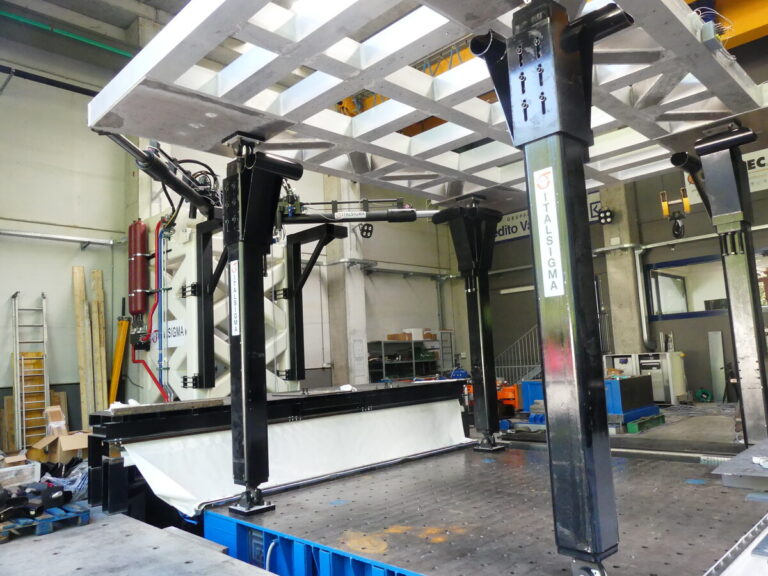
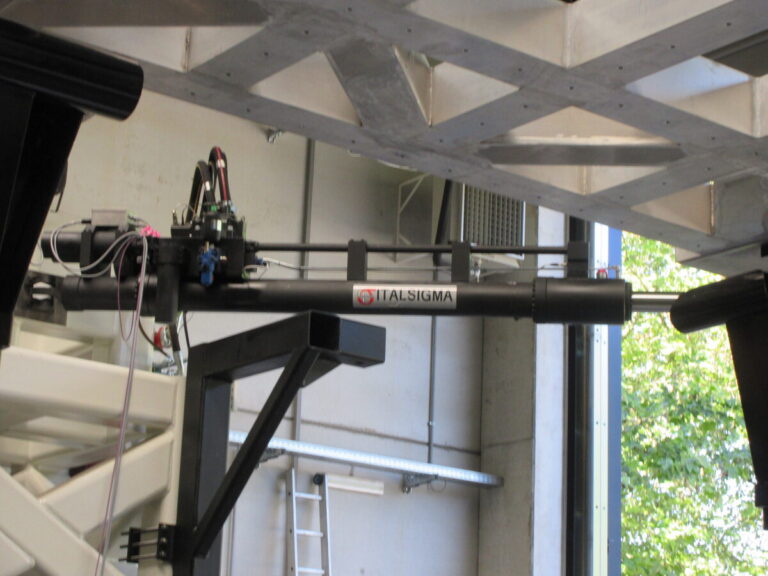
Large-scale experimental testing system for dynamic testing of structural and non-structural components.
The system consists of four actuators and is capable of simulating the relative response of any pair of adjacent floors in buildings of any height. TECHNICAL SPECIFICATIONS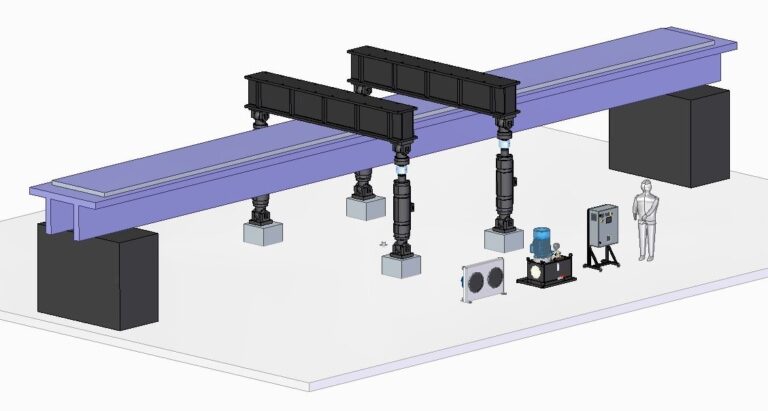
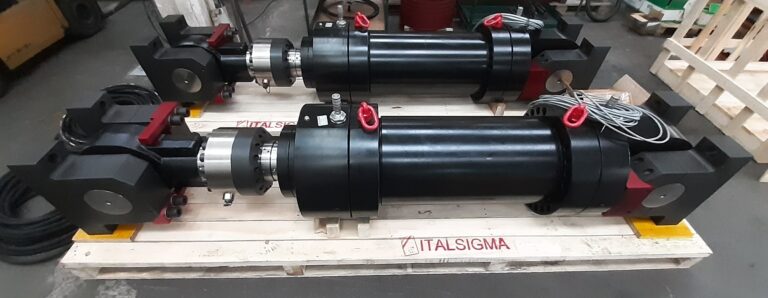
Testing system consisting of four servo-hydraulic actuators with a total capacity of 6,000 kN (1,500 kN per actuator), a hydraulic power unit and a control system.
TECHNICAL SPECIFICATIONS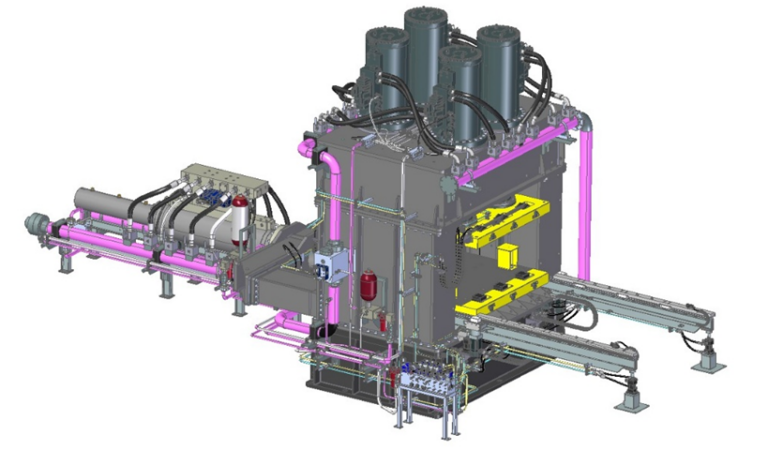
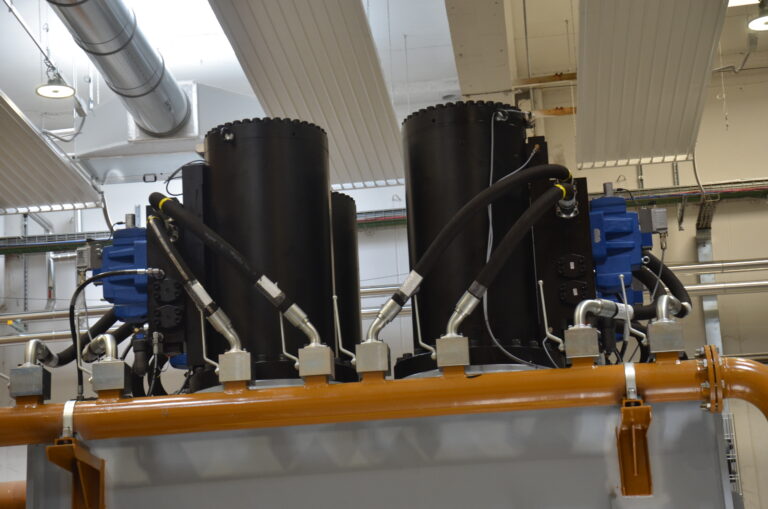
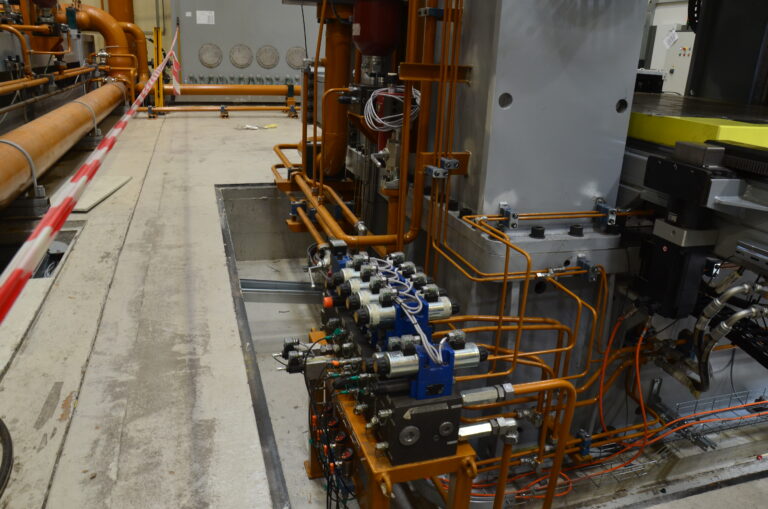
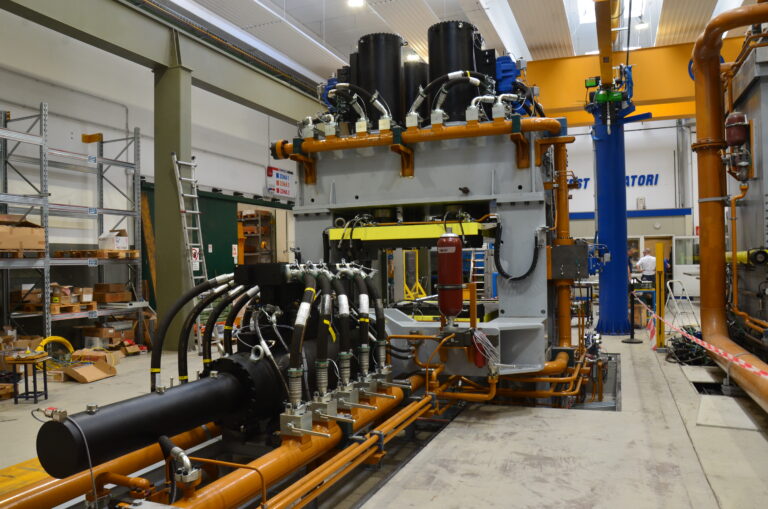
Testing machine designed for testing seismic isolators.
TECHNICAL SPECIFICATIONS
Holding Company

Sister Company